Don’t blame the coyotes — humans play a role in attacks, CA wildlife experts say
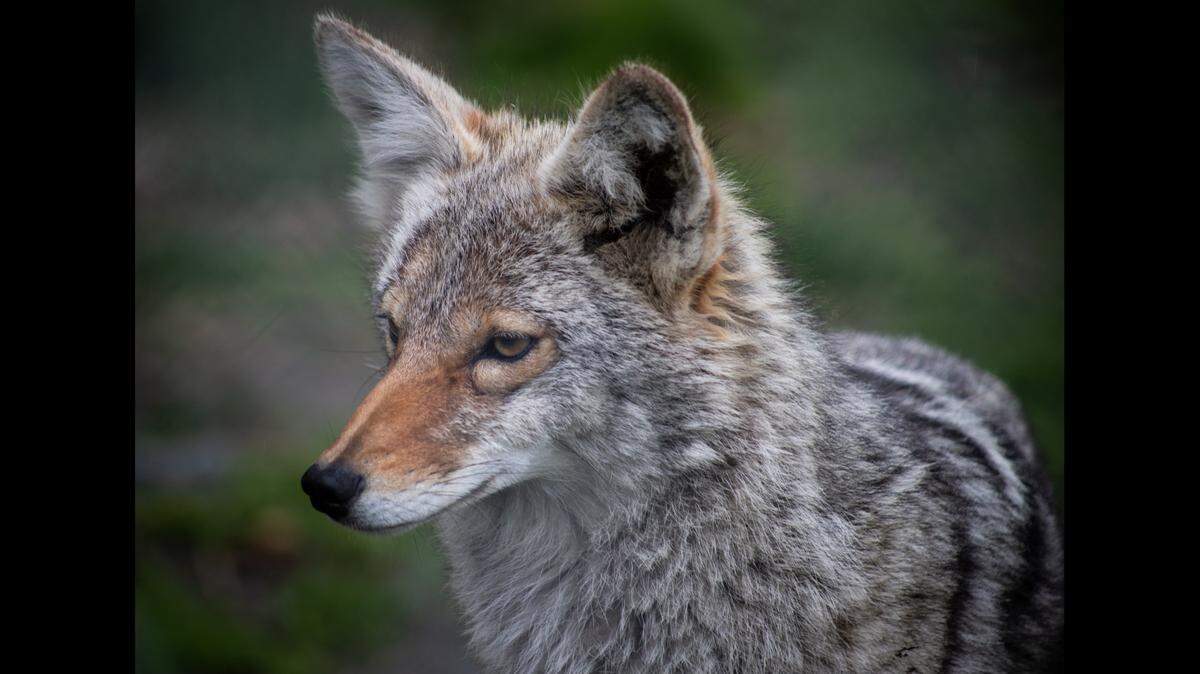
Pet owners and parents are on edge in Southern California after a string of recent coyote attacks left three dogs dead and a toddler injured.
But the wild animals aren’t to blame, at least not entirely. Humans can unknowingly habituate coyotes and other predators to their presence, making the highly intelligent creatures more likely to come around in search of food, experts say.
“It can happen to a lot of different animals, not just coyotes,” Mackenzie Rich, a human wildlife conflict specialist with the California Department of Fish and Wildlife, told McClatchy News. “It’s the result of being exposed to human stimuli without consequences.”
Coyotes can thrive in both urban and rural settings, and they eat both meat and plant material, Rich said. They go after food as it’s available, so they’re just as likely to go for a squirrel or rabbit as they are to wander around where they know there might be fruit or other food they can eat.
Because of that, everything from garbage to pet food to fruit trees can attract them, she said. Communities that remove those attractants are less likely to experience a conflict with a coyote or other predator.
How to avoid conflicts with coyotes
Other than removing attractants, people can also “haze” coyotes with loud noises to deter them. It’s a good idea to carry around a mini air horn, Rich said.
Household items can also be effective in scaring off coyotes, she said. Snapping a trash bag in the coyote’s direction or shaking a can or jar full of nails, old screws or anything that makes noise should scare them off.
As with any predator, it’s important to keep pets close and keep an eye on them when they’re in your backyard. Dogs should be walked on short, six-foot leashes and you should be alert and ready to pick them up if you spot a coyote nearby. Experts also recommend keeping cats indoors.
It’s best to avoid areas “known to have coyote activity” and to “stick to trails and open paths,” according to Friends of San Francisco Animal Care and Control.
The animals are most active in the early morning and late evening, so experts advise avoiding walking pets during sunrise or sunset.
Coyotes are found in most of California, and experts estimate there are between 250,000 and 750,000 living in the state, according to the U.S. Forest Service.
“We can coexist peacefully, but sometimes things can happen,” Rich said. “Communities that do haze the animals and make a community effort to remove attractants see less human-coyote conflict.”
This story was originally published December 14, 2022 at 8:56 AM with the headline "Don’t blame the coyotes — humans play a role in attacks, CA wildlife experts say."