
California restaurant group is hot over Berkeley’s natural gas ban. It’s suing the city
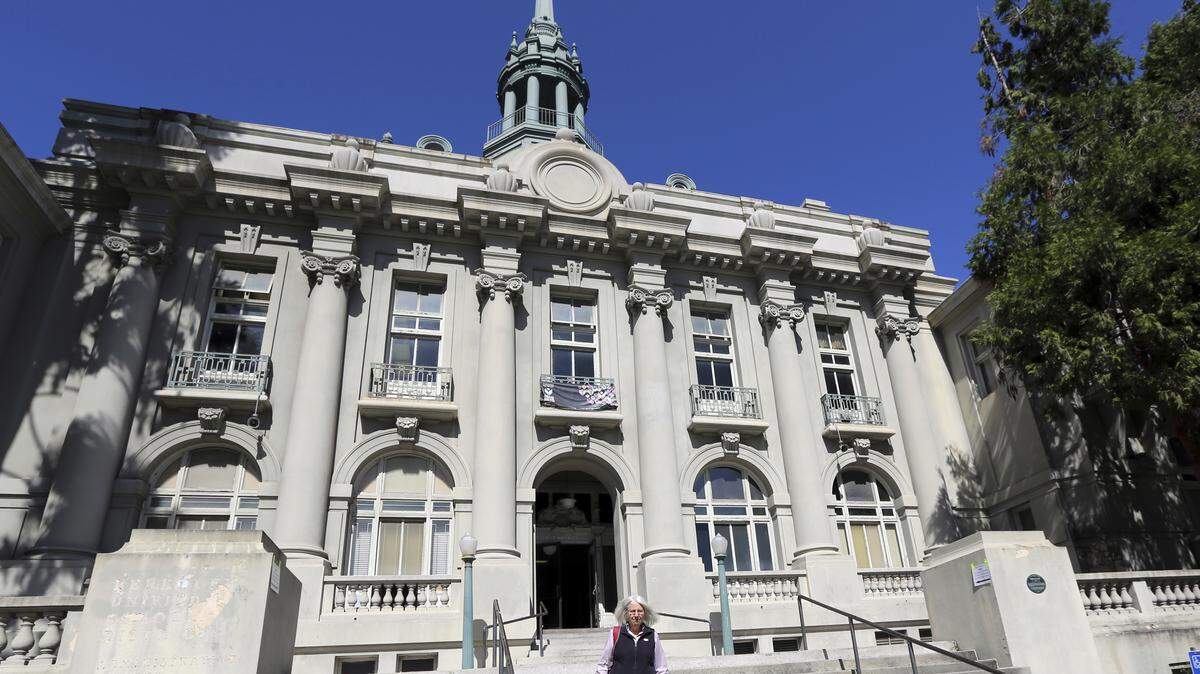
It’s a classic California story and restaurants in one East Bay city are caught in the middle.
Berkeley’s first-in-the-nation ban on natural gas in new construction to reduce the city’s carbon emissions goes into effect in January, placing it at the vanguard of a small but growing movement by cities and counties pushing toward an all-electric future. It goes in line with the state’s ambitious goal of obtaining all of its electricity from clean energy sources by 2045, under legislation signed by former Gov. Jerry Brown last year, to fight against global warming.
But a Sacramento-based restaurant trade group is challenging the ban in San Francisco federal court in a California case of global issues colliding with businesses’ bottom line.
Enter the California Restaurant Association. The group charges the natural gas ban will hit Berkeley restaurateurs and consumers in the kitchen and at the cash register in what the trade group has branded a “one-sided” effort to combat the effects of carbon emissions on the environment.
The suit contends the ban’s impact will fall heavily on Berkeley’s international dining scenes where natural gas is life blood, affecting every aspect of cooking from the speed and manner with which dishes are prepared to how they look and taste on the dining table.
“Many of these restaurants rely on gas for cooking particular types of food, whether it be flame-seared meats, charred vegetables, or the use of intense heat from a flame under a wok,” the association’s attorneys argued in the Nov. 21 suit, claiming that the restaurants “will be unable to prepare many of their specialties without natural gas.”
“In Chinese restaurants, what is important in our cooking is “wok hei” – the high flame. That is what makes food flavorful,” said Frank Louie, the longtime Sacramento restaurateur and caterer of Oak Park’s landmark Louie’s Restaurant and Catering, which specialized in Cantonese cuisine. “When you do electric (cooking), it will have a different flavor and it cannot get to the temperature necessary to output our traditional Chinese dishes.
“Is one segment (of the restaurant industry) going to dictate what the city’s going to do? Obviously not. But it will have a huge impact on Chinese cuisine. It could not replace natural gas. It sounds good to eliminate the fire, but you don’t realize the consequences of how it impacts businesses that depend on natural gas.”
He added that banning natural gas will affect the entire food industry in getting orders in a timely manner to adequately serve customers.
The association’s lawsuit alleges the Berkeley ordinance is an illegal overreach that violates the state’s building standards and energy codes as well as federal law governing appliances’ energy use and efficiency standards.
“Banning natural gas is not the solution and is at odds with with citizens’ needs for reliable, resilient and affordable energy,” CRA’s attorneys argue in the association’s lawsuit to block the ordinance filed in U.S. Northern District Court in San Francisco. “In its rush to be the first all-electric city, Berkeley bypassed clear federal and state law.”
But Berkeley in July made the case that California law, growing state interest in all-electric building, safety concerns in the wake of nearly annual devastating wildfires and global imperative are all on its side.
CRA attorneys say Berkeley circumvented the California Energy Commission and used its own police powers to impose the ban. Berkeley leaders argued in the July ordinance that the California Constitution allows cities to “adopt building standards that provide for their community’s health, safety and welfare.”
July’s city council vote to ban natural gas was just the latest step in an aggressive decade-long push to reduce Berkeley’s carbon emissions.
As early as 2006, city voters passed climate action ballot measures calling on Berkeley to reduce its greenhouse gas emissions by one-third below 2000 levels by next year and by 80 percent by 2050.
By 2016, Berkeley energy commissioners were investigating ways to phase out natural gas appliances in new buildings in favor of those that do not burn natural gas.
They looked to natural gas emissions. More than a quarter (27 percent) of all emissions released in the city came from natural gas, according to a July city report buttressing the ordinance. Only the transportation sector was responsible for more. Two years later, the city declared a “climate emergency” to chart its progress to date in meeting its emissions goals.
Since July, cities in the Golden State and across the country have been taking notice and are following Berkeley’s lead.
In November, Brookline became the first city in Massachusetts to ban oil and natural gas hookups in new construction, extending the provision to existing homes undergoing extensive renovation.
As many as 50 California cities and counties – including Davis, San Jose, other Bay Area cities and Marin County – are considering policies that would bar natural gas from new construction, according to the Sierra Club, which has been tracking the state’s move to cleaner energy construction.
This story was originally published December 9, 2019 at 4:00 AM with the headline "California restaurant group is hot over Berkeley’s natural gas ban. It’s suing the city."
.JPG)