
Fancy Dancy mandarins could be a sweet addition to your SLO County garden
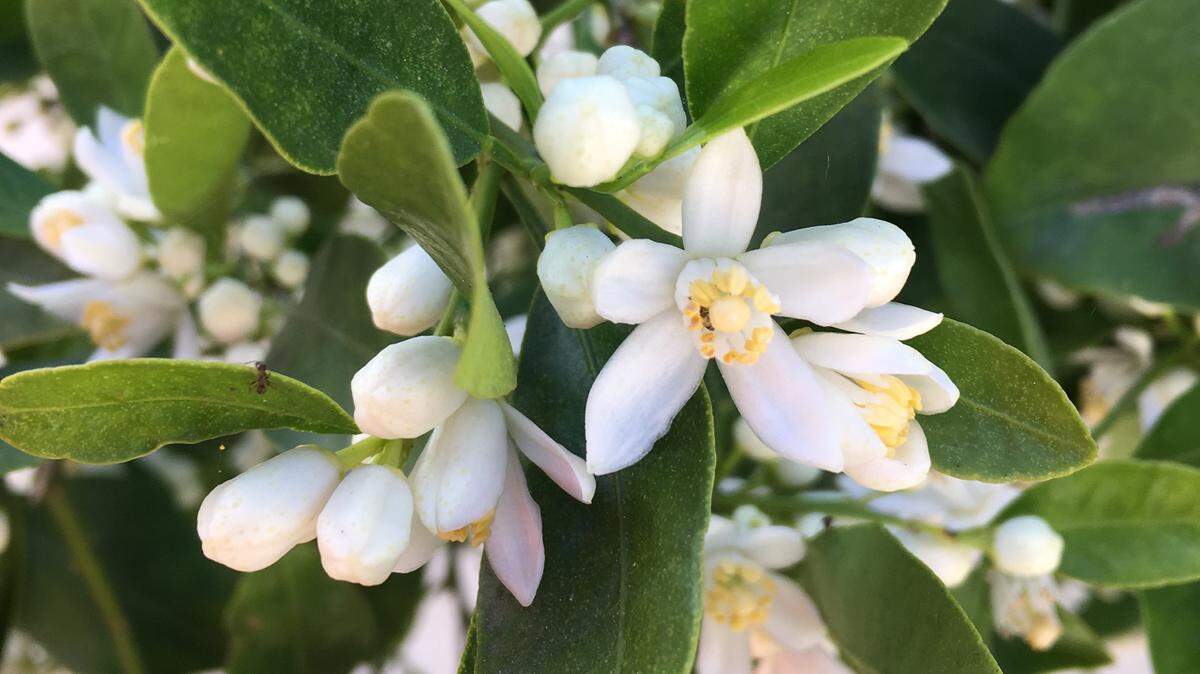
Dancy mandarin
Citrus tangerina ‘Dancy’
Planting area: Sunset Zones 12 through 24
Size: 20 to 30 feet, (dwarf varieties 4 to 10 feet)
Bloom season: Early spring.
Exposure: Full sun.
Pruning needs: Prune to remove dead branches or twiggy growth, or to shape tree.
Water needs: Keep soil moist but avoid free-standing water. Water newly planted trees frequently. Well-established trees may be watered every other week.
Snapshot: Dancy mandarins are the standard tangerines found in markets before Christmas.
Thought to have originated in India, the tangerines were taken to China, where they are still extensively grown.
They were first planted in Florida in 1867 and quickly became the leading mandarin variety in the country. They have also played a role in the development of other citrus varieties, such as tangelos and tangors.
Dancy mandarins produce fruit that is smaller than other mandarins, measuring 2 ¼ to 2 ½ inches in diameter. The fruit, which ripens December through February, is seedy, flattened and somewhat pear-shaped due to the neck at the stem end.
The flesh is a deep orange color with a rich flavor, while the rind is thin, reddish-orange, leathery and tough.
The skin is loose and easily removed, but not puffy until well past maturity. (Remove fruit by clipping to prevent the peel from tearing.)
Dancy mandarin trees are large and vigorous with dense foliage and erect, nearly thornless branches. (Dwarf varieties can be grown in large pots or as espalier.) They tend to bear fruit in alternate years, but crop thinning by judicious pruning may encourage trees to produce fruit annually.
The trees are moderately cold-hardy and will survive as low as 20 degrees Fahrenheit. But the thin-skinned fruit is more fragile and can be damaged if temperatures drop.
Dancy mandarins are self-fruiting and do not require a nearby pollenizer to enhance productivity.
Got a gardening question?
In San Luis Obispo, call 805-781-5939; Arroyo Grande, 805-473-7190, and Templeton, 805-434-4105. Visit us at http://ucanr.edu/sites/mgslo or email us at anrmgslo@ucanr.edu. Follow us on Instagram at slo_mgs and like us on Facebook. Informative garden workshops are held the third Saturday of every month at 2156 Sierra Way in San Luis Obispo. To request a tour of the garden, call 805-781-5939.
This story was originally published May 23, 2018 at 4:07 PM with the headline "Fancy Dancy mandarins could be a sweet addition to your SLO County garden."