
From medicine to sacred ceremonies, white sage is an all-purpose plant
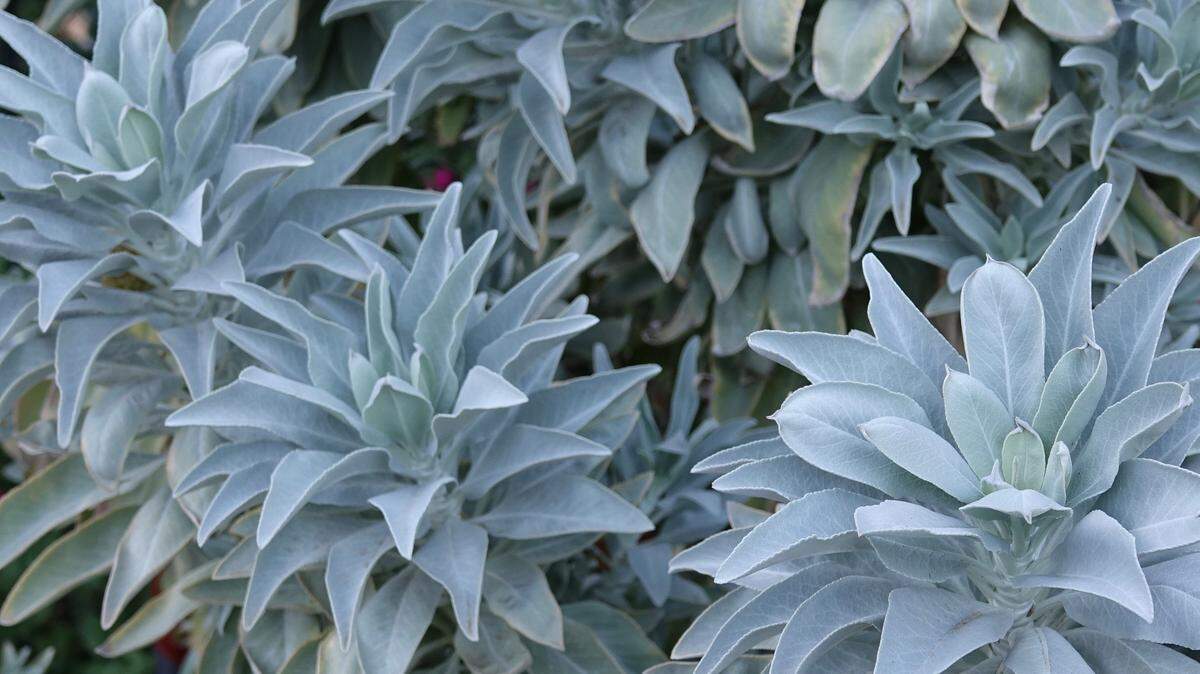
Salvia apiana
White sage
Planting areas: Zones 7 to 10
Size: 3 to 4 feet tall, 3 to 6 feet wide.
Bloom season: April to mid-July.
Exposure: Full sun, tolerates some shade.
Pruning needs: Prune to shape and occasionally remove older stems to encourage new growth.
Water needs: Low water once established.
Snapshot: White sage’s natural habitat is coastal scrub, inland chaparral and pine forests at an elevation of below 4,000 feet.
This aromatic, perennial herb is well adapted to droughts and fire. Plants older than one year will come back after brush fires due to their deep roots.
White sage has fuzzy silver leaves and light blue to white flower spikes that can shoot up 9 feet or more. The flowers are pollinated by bees and wasps that have to push their way deep into blooms to access nectar; those bees create one of the best tasting honeys around.
White sage has been used medicinally as an astringent and is valued for its antibacterial and anti-inflammatory properties. The plant is also used in spiritual ceremonies by indigenous cultures.
White sage seeds are an ingredient in pinole, a type of flour, and the leaves and stems can be eaten or used to brew teas.
Give white sage room to spread out in your garden and you will enjoy the fragrance released by the leaves every time you brush against it.
This story was originally published May 2, 2018 at 12:51 PM with the headline "From medicine to sacred ceremonies, white sage is an all-purpose plant."