No tasting room? No problem. New program could draw more to SLO County wineries
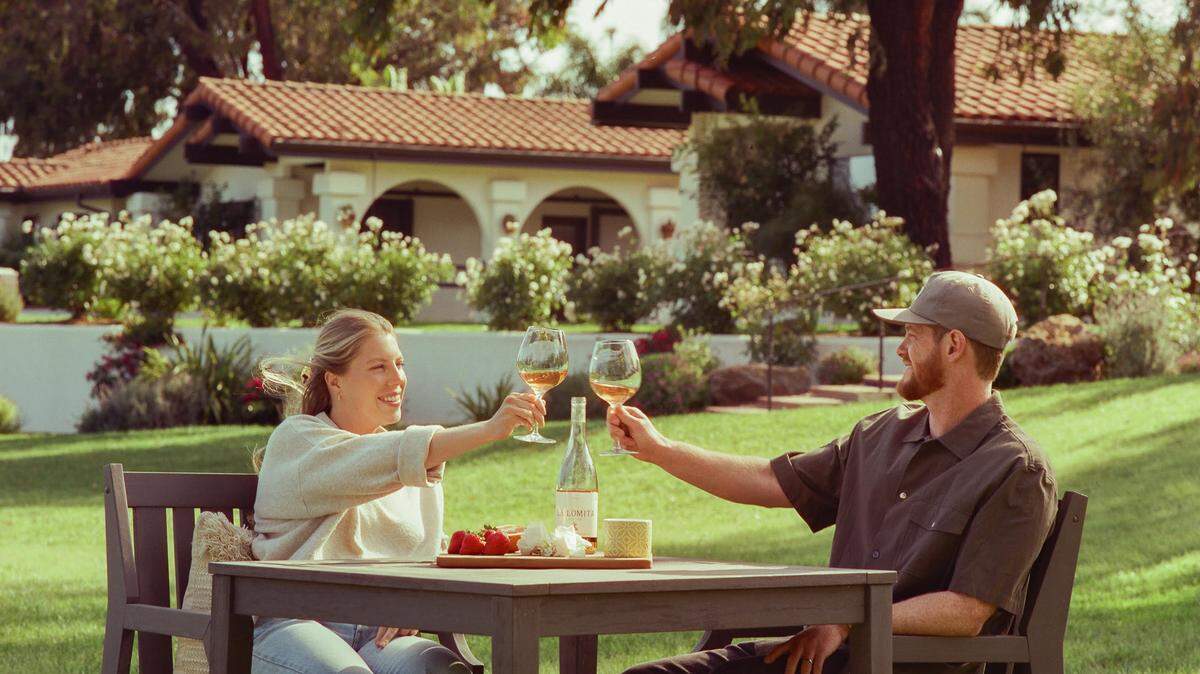
Over the last few years, San Luis Obispo County winemaker Melani Harding has watched visitor numbers drop off as fewer people are willing to make the trek out to her San Miguel estate.
Harding, a Navy veteran and the owner behind Bon Niche Cellars, said it’s grown challenging to attract more patrons to her property as the wine industry at large continues to contract.
It doesn’t help that she only has a handful of days she’s permitted to host people on her property. Without a conventional tasting room, she has 12 days — or six weekends a year — to entice people to visit, taste and purchase the Cellars’ Bordeaux-style wines in person, Harding told The Tribune.
But now she has hope that her business can bounce back after SLO County recently launched a new program allowing local wineries to host “pop-up” tastings on their vineyard estates with a special permit.
“From November to March, I didn’t have an open weekend, and that’s always a tough time of year. To not even be able to be open just makes it that much harder,” Harding added. “So this will expand my ability to host not just wine club, but new people as well.”
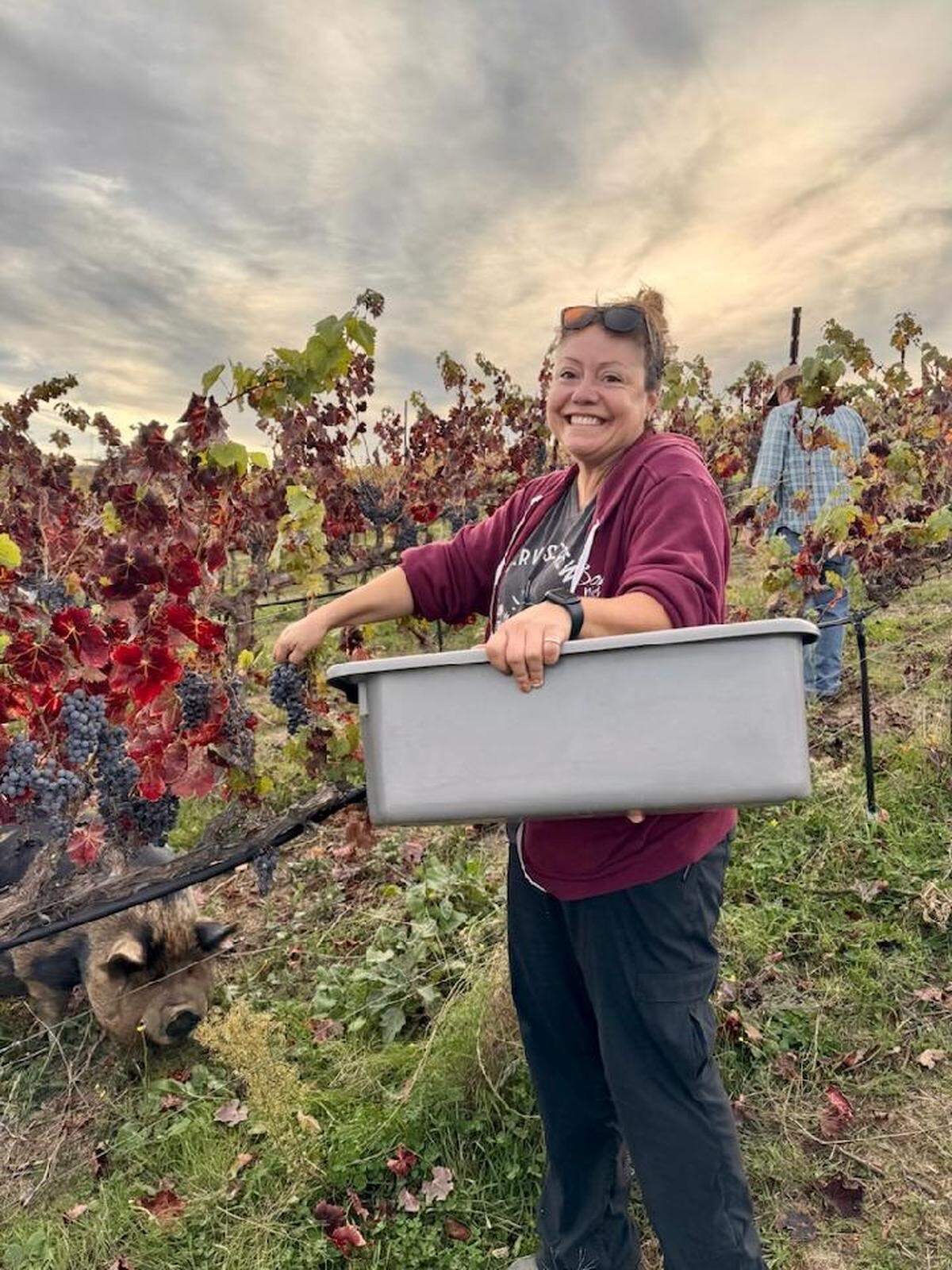
The 20-month-long pilot program officially launched April 21 after the SLO County Board of Supervisors unanimously approved the initiative.
“We want to make sure that our wine industry continues to thrive and offer as much as we possibly can, as far as experiences,” Supervisor Dawn Ortiz-Legg said during the meeting.
New California law creates estate tasting event permit for winegrowers
Assembly Bill 720, which went into effect on Jan. 1, lets California’s Department of Alcoholic Beverage Control offer an estate tasting event permit — also known as a Type 93 permit — to licensed winegrowers.
Under the law, counties can create their own rules and regulations surrounding the implementation of the policy.
Once wineries obtain a permit, they can host small and temporary outdoor tasting experiences on vineyard sites that they own or farm, according to Joel Peterson, the executive director of the Paso Robles Wine Country Alliance.
He called the pop-up estate tasting permits a “common sense solution” that will give small brands and winery’s without tasting rooms a chance to further elevate their product. Amid a dip in the industry, Peterson said more estate tastings will help expose visitors to what makes each wine special by letting visitors witness fruit growing and ripening on local landscapes.
“It really just tells the story,” he told The Tribune. “And that’s kind of what the success of wine tourism is about.”
Each winery can host no more than 36 estate tasting events each year, the county staff report said. Tastings can be offered to up to 49 people during daylight hours.
The permitting process is run through Cal Fire. To acquire a permit, applicants must hold a valid Type 02 winegrower license and own or control the vineyard where estate tastings take place, according to the agency’s website.
The permits are valid for one year and cost $231 through June 30, or $281 beginning July 1, Cal Fire said on its website.
The pilot program, which was modeled after Napa County’s ordinance, will end on Dec. 31, 2027, unless county supervisors vote to extend the initiative. Peterson said the 20-month limit is an adequate timeframe to stress test the initiative and figure out how to effectively use the permit.
“I think it was a really nice example of kind of how we can work with government and local organizations and wineries to really find solutions,” Peterson said. “It just gave me a lot of hope.”
Small SLO County winemakers celebrate new pop-up tasting permit
Nick Hickman applied for the permit the day after it was approved in SLO County.
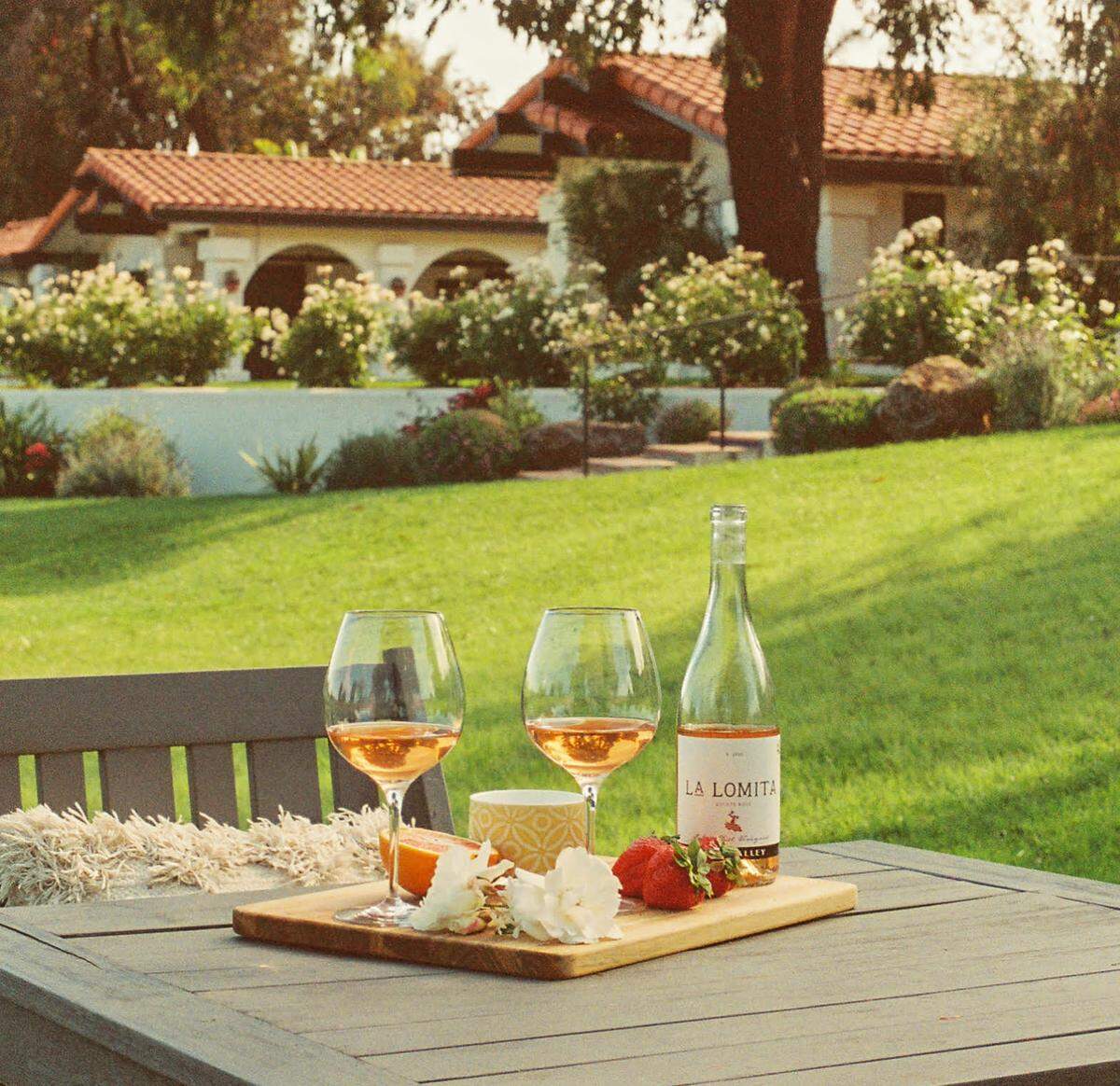
He works as the general manager at La Lomita Ranch, a small boutique bed and breakfast ranch and wedding venue with a vineyard estate in Edna Valley.
The young family-owned and operated vineyard finished its first estate wines in 2020. Its vineyard rests on Islay Hill, spanning just over five acres where Spanish varietals like albariño, syrah and grenache produce up to 800 cases of wine per year.
But without a conventional tasting room on site, Hickman said the winery can currently only offer wine tastings to B&B guests.
“This really moves the needle in a significant way,” he said. “We can grow and do new things and offer new experiences to locals.”
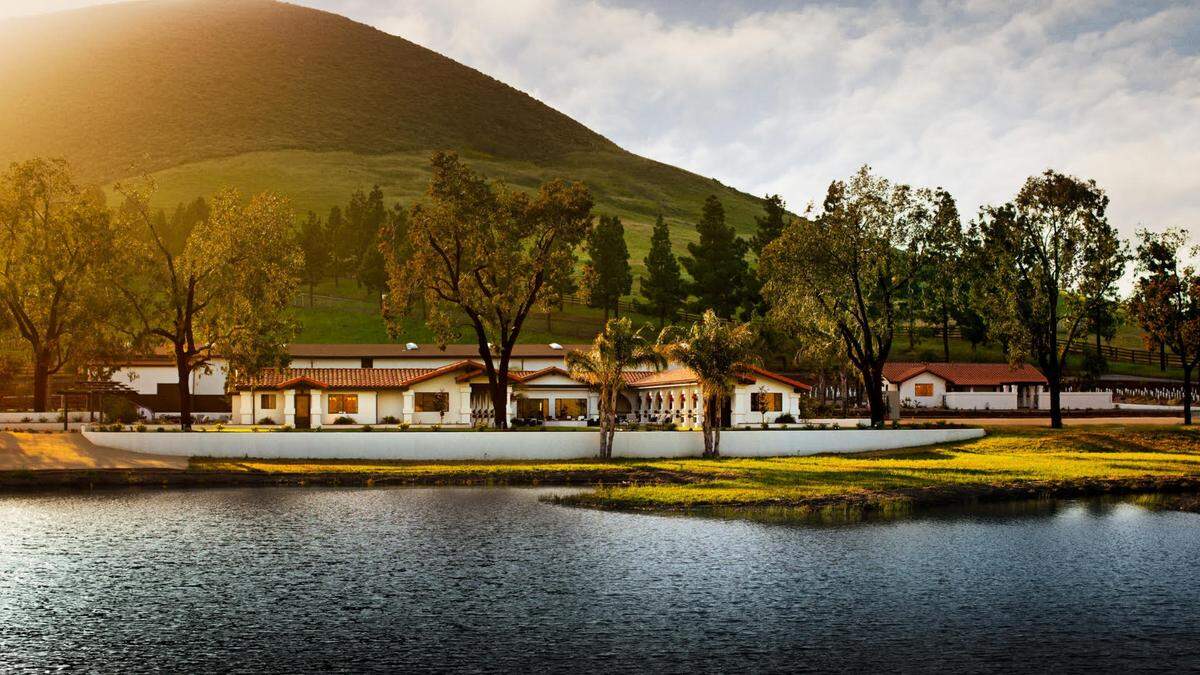
As a one-of-kind vineyard situated on difficult-to-farm, ancient volcanic soil, Hickman said the new permit will allow the property to showcase the story of their wine to locals for the first time.
“What makes our vineyard unique is also an extension of what makes Edna Valley unique, and is a large reason that people like to live here,” he said. “For us to be able to share that with locals is going to be a really new and exciting thing that we’re grateful to the county and everybody that helped make that happen.”
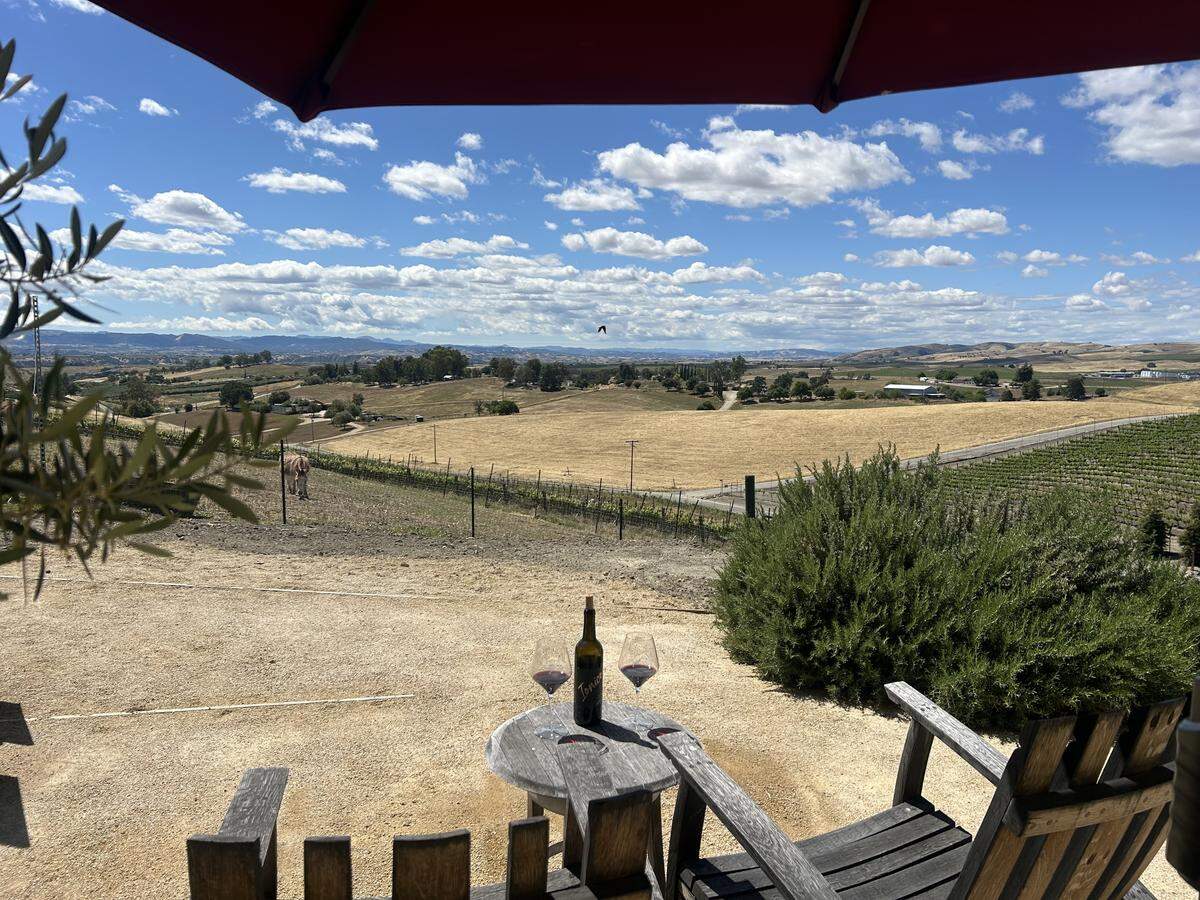
At Bon Niche Cellars, people gather for tastings on a patio right outside the winery’s production facility, overlooking an expansive view of the 7-acre vineyard. While sipping on vino, guests may also meet a host of farm animals that live on the estate, including a couple of donkeys, goats, sheep, a pair of pigs and a dog.
Harding said she is extremely excited to introduce more people to the property once she gets the permit.
“It’s going to triple my days, which is going to be huge for me,” she said, adding that it also has the potential to triple her sales as well.
If that happens, Harding already has plans to buy new barrels that will make better wine and more of it.
But it’s not just about the money, she said.
“It’s about making the wine and sharing it with people,” Harding told The Tribune. “The whole goal for when I bought this property was to be here and share this place with other people and share my wines with other people here. I think getting to do that, and not having to get a tasting room in town is going to be really special for me.”
This story was originally published April 28, 2026 at 3:35 PM.