
Estranged? The holidays are a time for healing relationships, SLO therapist says
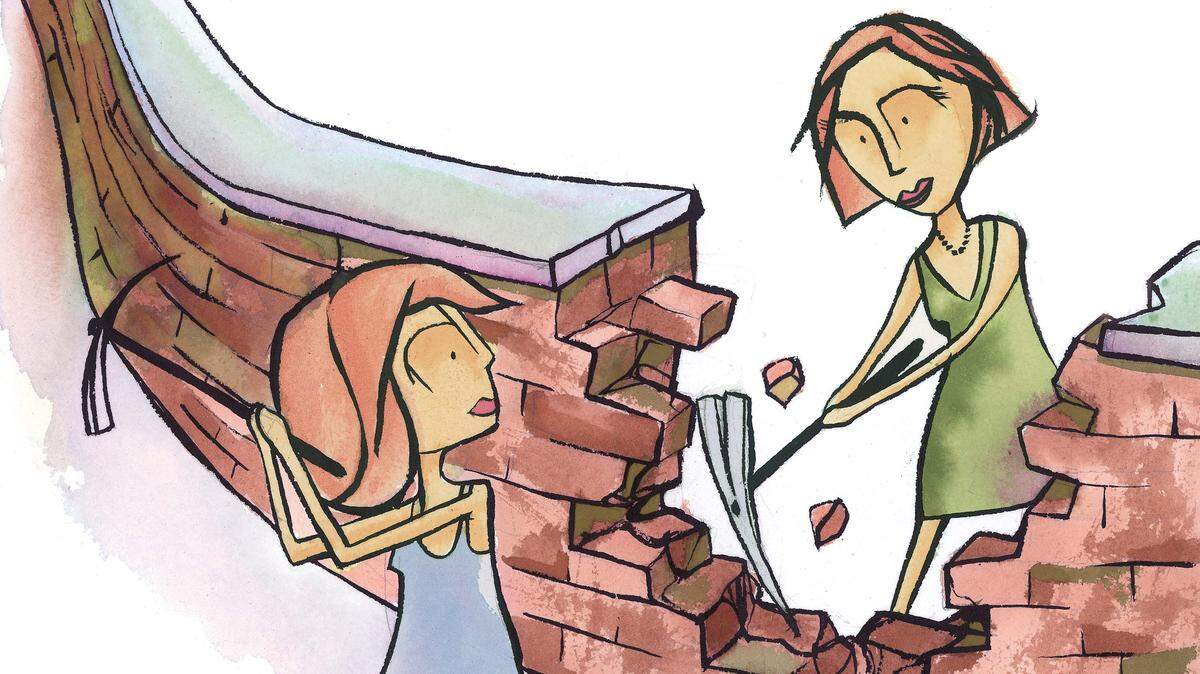
The holidays are a wonderful time to be with our families. But an estrangement from a loved one can cast a pallor over the entire season.
Perhaps your sister has stopped speaking to you after an argument you had several years ago. Maybe you’ve had no contact with your father since his marriage to his new wife.
Whatever the cause, the outcome is the same.
A defining event has severed ties between you and a loved one. All communication between you has stopped.
You may have made efforts to reconcile, or perhaps you’re the one who’s not ready to reconnect. Still, the anger and hurt persist, impacting everyone in the clan.
Estrangements are especially painful this time of year. Family gatherings seem hollow without all members present.
Memories of a happier era are triggered by similar events happening in real time. Gifts and cards are often returned without being opened or acknowledged.
Unknowing friends may inquire about your relatives, bringing up the need to awkwardly explain, “He won’t be joining us. We haven’t spoken in two years. I don’t know where he’s living now.”
All families have disagreements and challenging moments. But estrangements occur when one member of the relationship refuses to move past a painful occurrence and remains stuck in their state of annoyance.
They cast all blame on the other person. And they repeatedly retell their story of outrage to themselves and anyone who is willing to listen.
This retelling is a key factor in long-term alienation because it keeps the sense of indignation alive and justifies the estranger’s refusal to make amends.
Each time they replay the saga, they feel angrier and more self-righteous. The event eventually gains a life of its own, looming so large in the perceived victim’s mind that reconciliation is out of the question.
Of course, there may be a time when contact with a person should be terminated.
If, for instance, a visit puts you or your family in physical danger, then it is necessary to sever all ties.
In nearly every other situation, however, estrangement is a horribly sad and unnecessary response. It not only undermines the family unit, but it also causes needless heartbreak to the loved ones impacted by the separation.
In addition, it creates a state of non-stop hatred in which perpetrators choose to reside.
If you are the party who is prolonging the estrangement, I invite you to take the first step toward reconnecting with the offender.
Don’t wait until you’ve heard they’ve died of a heart attack. By then it will be too late and you’ll regret your behavior the rest of your life.
Apologize for any part you may have played in the alienation, even if you believe you’re not at fault. Your willingness to take the moral high ground will work wonders in starting the healing process.
If you are the recipient of an estrangement, I encourage you to never give up. Keep the door open for whatever steps your loved one is willing to make.
Send cards and small gifts at appropriate occasions, even if they are discarded. Call and leave brief, positive messages. Be willing to meet in a setting of your loved one’s choosing.
Make it clear that you’re waiting with open arms, no matter how long the healing takes.
This story was originally published November 25, 2019 at 5:15 AM.