
Central Coast restaurants are charging customers hidden fees, DA warns
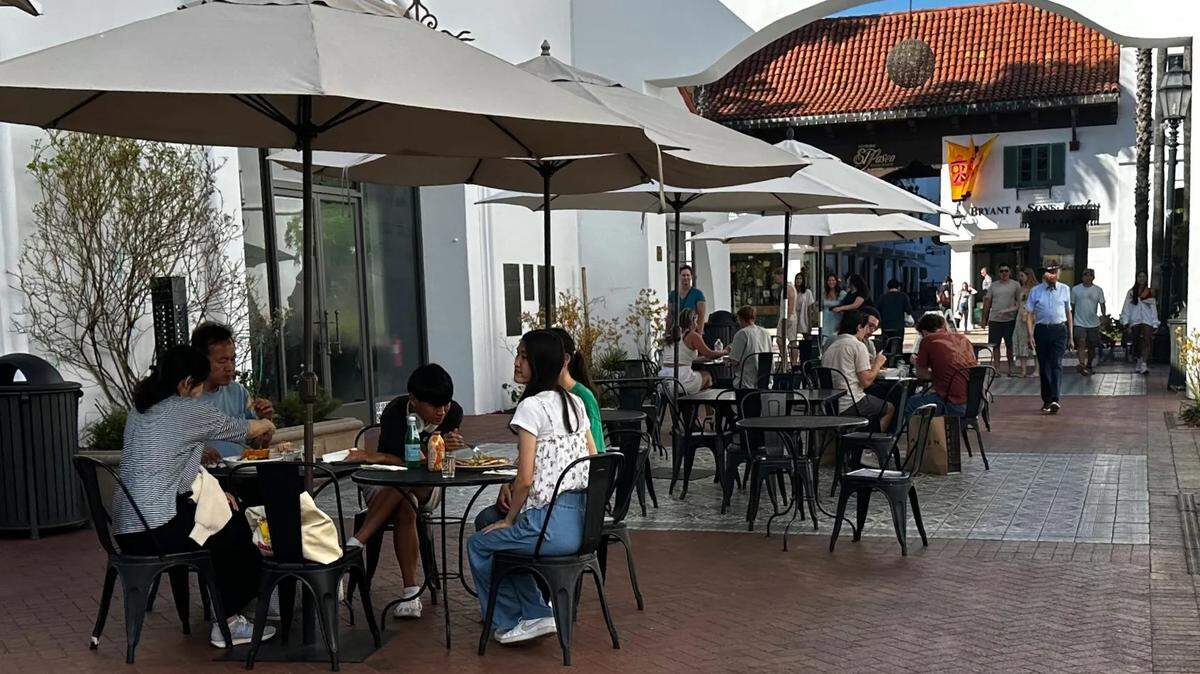
The Santa Barbara County District Attorney’s Office has sent out warning letters to some local restaurants that have been charging undisclosed fees or surcharges, violating California’s False Advertising Law.
Christopher Dalbey, deputy district attorney for the Consumer and Environmental Protection Unit, told Noozhawk that the District Attorney’s Office has sent warning letters to three local restaurants, with four more to be sent out soon, since issuing a news release in June stating that it has been made aware of restaurants within the county charging mandatory service fees without clearly informing consumers.
“The law requires restaurants to clearly and conspicuously disclose any fees or surcharges added to a customer’s bill before customers place their orders,” Johanne Calfo with the District Attorney’s Office said in the release. “Consumers are entitled to accurate price information to enable them to make informed decisions about what to purchase.”
Dalbey did not name any specific restaurants since the District Attorney’s Office has not taken any public action yet and investigations are ongoing, but he said warning letters have been sent to restaurants involved in complaints.
While the law does not require the District Attorney’s Office to provide warning letters, Dalbey said they think it’s good practice, and restaurants are then given a certain amount of time to correct the problem.
Dalbey said that the amount of time given is usually discretionary, as they’re not required by law to provide a warning, but he typically gives restaurants 30 days to get into compliance.
If the restaurants do not remedy the issue in the specified time, the District Attorney’s Office could then prosecute the violation as either a civil case or as a criminal case, depending on the circumstances.
Under the False Advertising Law, a violation is a misdemeanor and could be punished with a maximum penalty fine of $2,500.
Other than inflation surcharges or service fees, Dalbey said that some cases even involved customers being “charged for a component (of what is being ordered) that’s not disclosed outright,” such as charging extra for an ingredient that many may consider to normally already be part of the item.
As for surcharges that are disclosed, Dalbey said that there are not any specific rules on what charges are allowed or how much is shared with servers other than that they must be explained accurately and can’t be misleading.
“They basically have to be true to their word,” Dalbey said. “They have to be accurate with what they’re saying.”
He also said that restaurants cannot imply that a charge is required by the government if it is not actually a government-mandated charge.
Some local consumers have noticed some restaurants charging extra fees in order to “pay their servers a living wage.”
“It gets a little tricky when it’s in a gray area like that,” Dalbey said. “It depends on the precise phrasing and how the ordinary person would interpret it.”
Dalbey said that the best thing for consumers to do is to check their receipts for any hidden fees.
“Pay attention to your receipts,” Dalbey said. “We can bring cases, but the best defense people have is in the moment to avoid being in this situation, if possible.”
Consumers can also report undisclosed restaurant surcharges or fees by completing the Consumer Complaint Form on the District Attorney’s Consumer Protection Unit website.