
Chris Bausch broke the law, and the people of Paso Robles are paying for it | Opinion
For six months, Councilman Chris Bausch stonewalled The Tribune and the people of Paso Robles, refusing to turn over public records while perching himself on a pedestal above California law.
He refused to answer questions about former city manager Ty Lewis’ $2.2 million harassment complaint, which accused Bausch of conspiring to spread rumors and creating a hostile workplace — a dispute that ultimately ended up in Lewis leaving with a $366,000 settlement.
He refused to respond to numerous records act requests filed by The Tribune for public documents hidden on his personal devices.
And he disregarded a lawful request for his recording of a meeting at a local pastry shop among him, Lewis and Mayor John Hamon — then leaked the file to Karen Velie, his dutiful media lackey at Cal Coast News, in an actions-speak-louder-than-words move that did nothing to quell the conspiracy claim.
So it should come as no surprise that, just as he, The Tribune and the city were wrapping up a settlement over The Tribune’s lawsuit, Bausch again went rogue, this time leaking the incomplete agreement to Velie, who then sprinkled in some grossly false information she attributed to an unnamed “inside source,” because if there’s one thing Velie loves, it’s writing inaccurate stories based on anonymous convos with shadowy people who won’t go on the record.
But this isn’t about Velie, who never met a Dumpster she wouldn’t dive in.
This is about the elected city councilmember who, true to form, remains fully unaccountable for his behavior in office over the last couple of years.
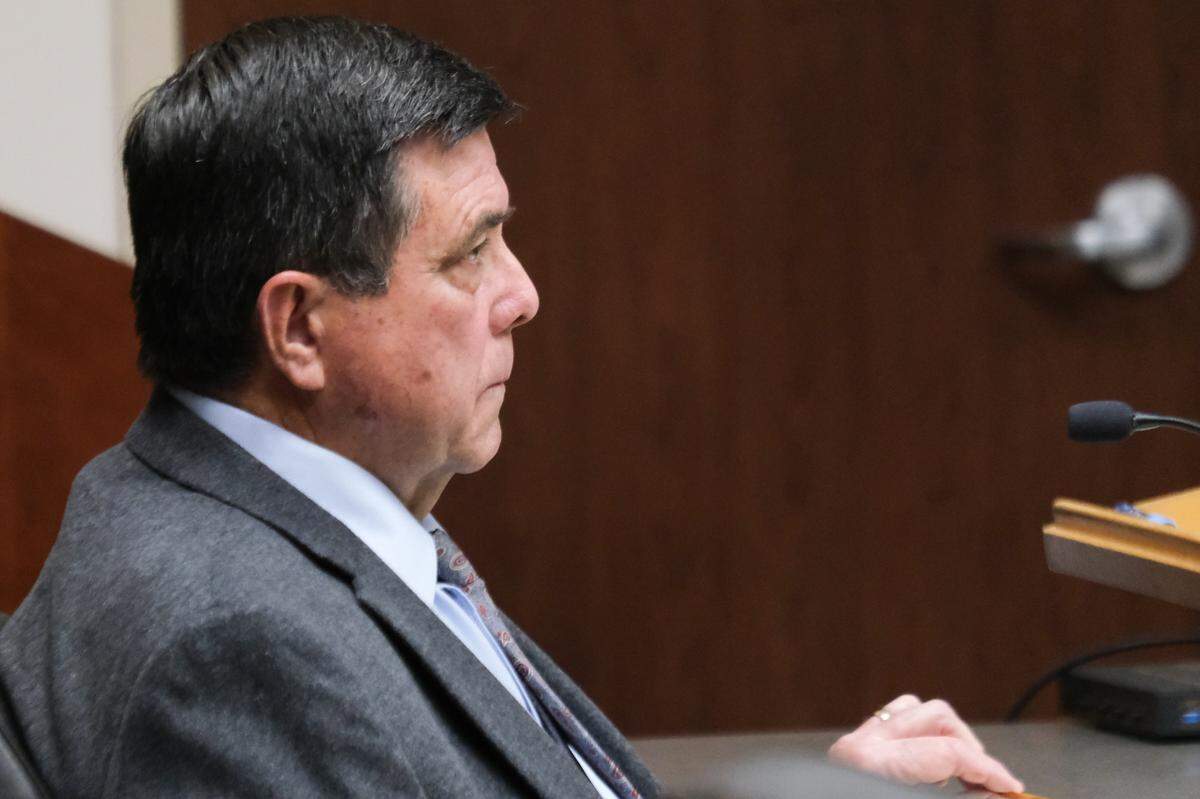
As part of the settlement, the city agreed to release the executive summary of the investigative report into Lewis’ allegations of harassment, which finally provides some measure of outside assessment on just what happened.
While it offers no details, it does reveal some notable conclusions.
First, Bausch did not sit for an interview with the investigator, a “significant caveat” that is cited repeatedly. The document doesn’t say if he flat out refused or why, but suffice it to say, he did not cooperate.
It did, however, confirm several allegations based on a preponderance of evidence, including the following unprofessional behavior:
- Bausch made “unwelcome, offensive remarks based on sex,” likely stated or inquired to Lewis about a rumor that Lewis attended “sex parties” and asked whether there were any pictures of him there.
- Bausch accused Lewis multiple times of being “in bed” with an unnamed woman (though not necessarily in a sexual context).
- Bausch made a remark to Lewis about not saying the “Pledge of Allegiance.”
- Bausch called Lewis out for not bowing his head during invocations.
- Bausch engaged in “discourteous and disrespectful remarks” at two one-on-one meetings and glared at Lewis “in some verbal interactions with him in council meetings.”
To summarize, the investigator concluded with a hint of frustration that, “The most that can be said is that there was credible evidence from Lewis and others that Bausch’s approach with Lewis, and with others, can be inquisitorial, overtly doubting or suspicious, with an air of superior knowledge.”
That kind of just makes him sound like an overbearing jerk, but it was enough evidence of hostility for the city to decide Lewis was entitled to compensation.
As to the public communications held on Bausch’s personal devices, he ultimately turned over 972 emails and 3,524 texts, which often focused on election strategizing with community members, praising some people and bad-mouthing others. But they also revealed odd, significant gaps and picked-up or dropped conversations — particularly with Velie — that read incomplete, leaving more questions than answers.
Did we get all the records we hoped to see? Definitely not.
Bausch himself withheld 127 emails, citing attorney-client privilege. And we don’t know if any other communications were withheld for non-legitimate reasons because Bausch never had to turn over his devices for forensic analysis.
Could there still be more that definitively prove a conspiracy among Bausch, Velie and others against Lewis? Absolutely.
But for now, all we can do is trust he did what the court ordered him to, fully knowing that us trusting Bausch is like the frog trusting the scorpion.
If he did indeed turn over everything and this is the extent of the drama, it begs the question: Why fight so hard against releasing the records?
If Bausch felt that these texts and emails vindicate him, why instigate such a costly fight?
Bausch knew he was putting the city at legal and financial risk by refusing to cooperate with The Tribune’s repeated requests.
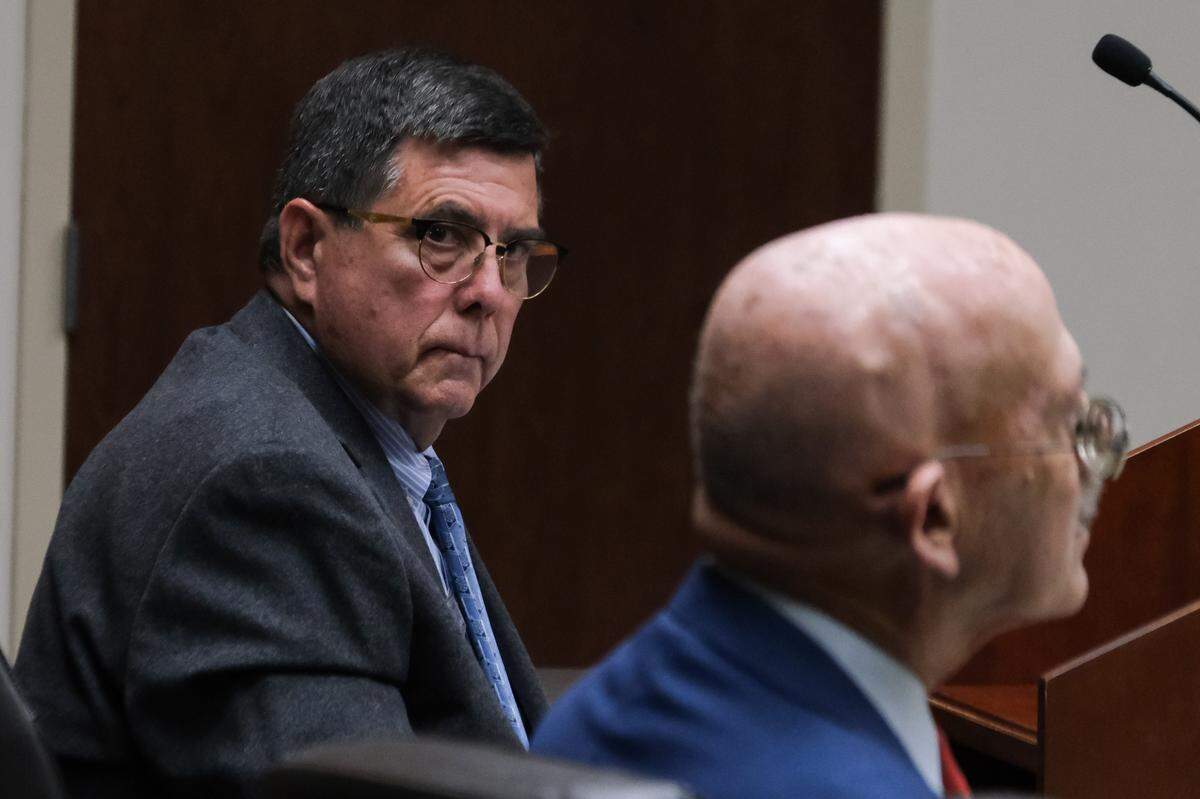
The city, in turn, was furious he was violating state law in a way that would leave it stuck with the tab, because the California Public Records Act holds agencies, not individuals, liable “even if the agency acted in good faith,” the city noted in its news release on the settlement.
Take note of that detail.
It was not the city of Paso Robles that caused this fiasco, and they were not shy about making that point. Try as they might, they were unable to compel their own councilman to do the right thing.
So with all our avenues of persuasion unsuccessful, we had no other option but to call Bausch’s bluff and sue both him and the city. The city then sued Bausch in what they called “an unprecedented action,” and he filed suit in return when the city refused to foot the bill for his intransigence.
As it turned out, the city’s biggest sticking point in the settlement negotiations ended up being Bausch’s galling demand that the citizens of Paso Robles fork over $27,000 for his attorney bill, which he spent defending his unprofessional behavior.
The city would have been more than justified to continue that legal fight and hold Bausch accountable for his failure to follow the law.
But rather than potentially throw more money down Bausch’s deepening rat hole — which isn’t paving streets or funding police officers — city leaders did what many government agencies do in this situation: They held their collective noses and signed the settlement, to at least prevent further waste.
Because that’s the ultimate result of this civic disgrace.
Massive waste prompted by one man with a grudge who refuses to be accountable for his actions.
Chris Bausch is now single-handedly responsible for multiple settlement payouts totaling $643,000, $423,000 of which came directly from the city’s bank account. The other $220,000 paid to Ty Lewis was covered by its insurer. This, mind you, is not including the however many more hundreds of thousands the city spent on its own attorneys.
For its part, the city did not hold back in pointing out the substantial hit it was taking, to emphasize precisely what the money wasn’t being spent on: “The settlement payment and Mr. Bausch’s legal fees will be paid out of the City’s general fund, which is the same fund that provides funding for most core city services such as police, fire, street maintenance, and parks,” it said in its news release.
So the next time you hit a pothole and wonder why it wasn’t filled, you can thank Chris Bausch.
He’s the one who knowingly flouted the law, with no care that the people of Paso Robles — his constituents — were paying his way.
Ty Lewis didn’t cause this, nor did the city of Paso Robles or The Tribune.
And so, Bausch will wear this scarlet dollar sign on his chest, and his alone.
Remember that if his name ever shows up on a local ballot again.
This story was originally published September 9, 2025 at 2:00 PM.