Batter up! Take a look at how SLO got its beloved baseball stadium
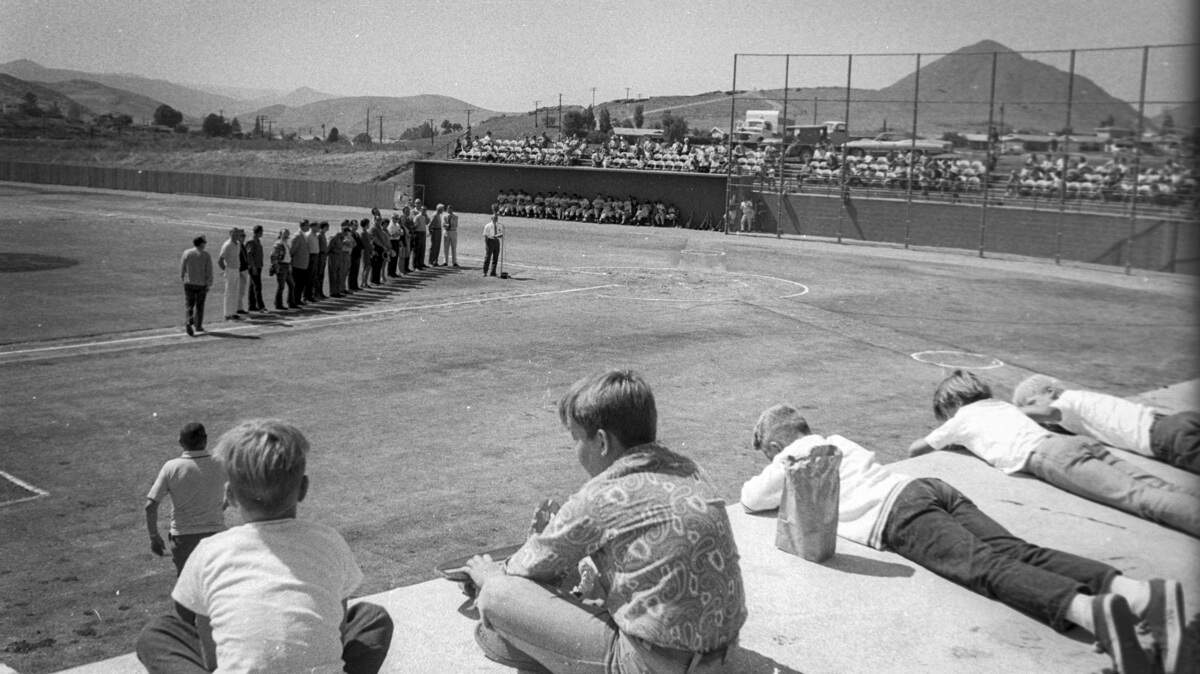
All the signs are here.
Days are getting longer and warmer.
Social media groups are sharing wildflower display sightings.
The ping of aluminum bats can be heard at high school and college batting cages.
Baseball season is around the corner.
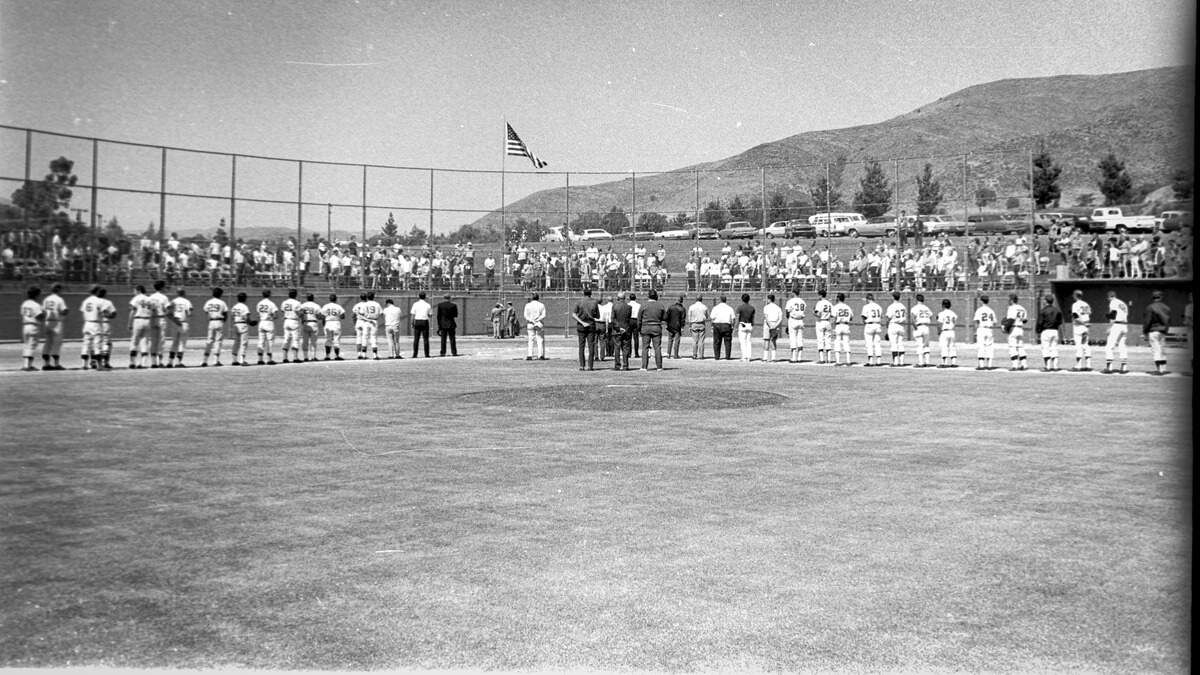
Sinsheimer Stadium turns 56 this year.
It opened at an ironic time, the beginning of football season on Sept. 14, 1970.
It took a lot of volunteer work and fundraising years to bring to reality.
And a lot more work was ahead to construct the stadium we know today.
Photos show portable folding chairs for fans and no press box or concession stand.
It was a complicated birth.
SLO City Councilman Donald Q. Miller complained in an April 1970 article that too much money was being spent on the parking lot for a sport that he believed was dying out.
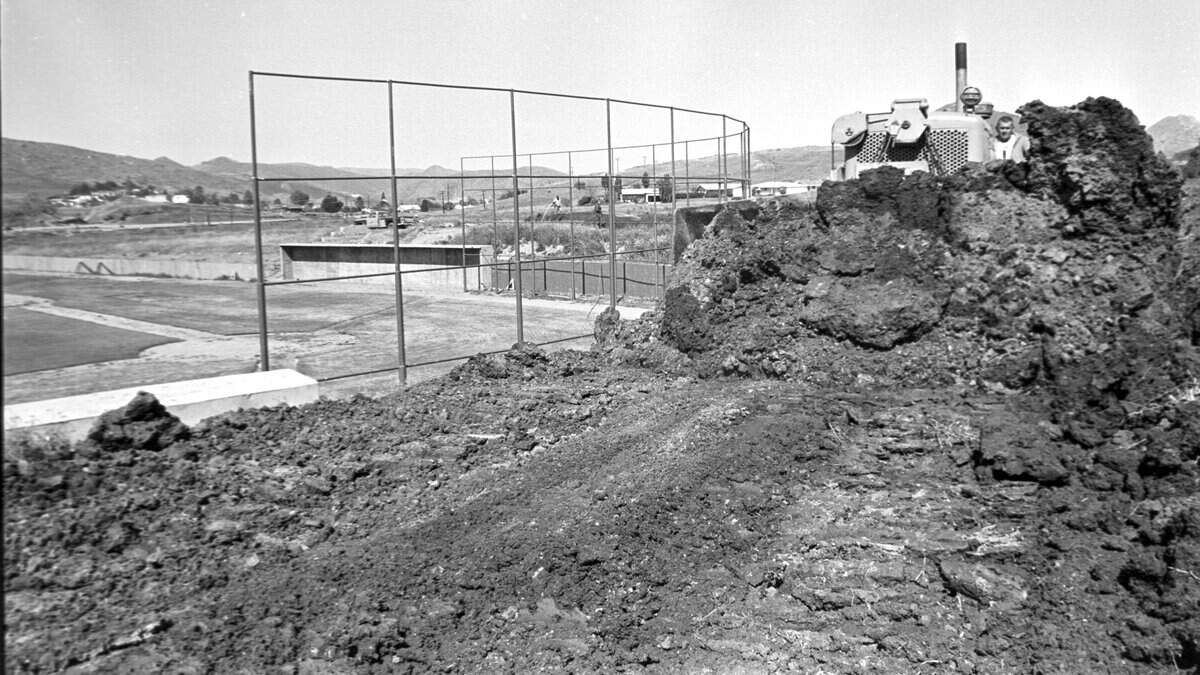
SLO Blues fans of today would probably like a word as they now regularly fill the parking lot and down the street.
Later, a few residents in the nearby neighborhood complained about the lights installed to have night games.
But for me, it is my favorite baseball stadium to shoot pictures at.
Over the years we have seen the evolution of almost unlimited access, to chalked off designated photo zones (with seemingly no consultation on what would be most useful and safe) and finally high fences to shoot through all around the field.
It has several good field-level sight lines and isn’t shoehorned into a too-small space.
Baggett Stadium at Cal Poly, and the fields at Paso Robles and Atascadero High School are also very good from a photography standpoint. Room to work with good backgrounds and sightlines.
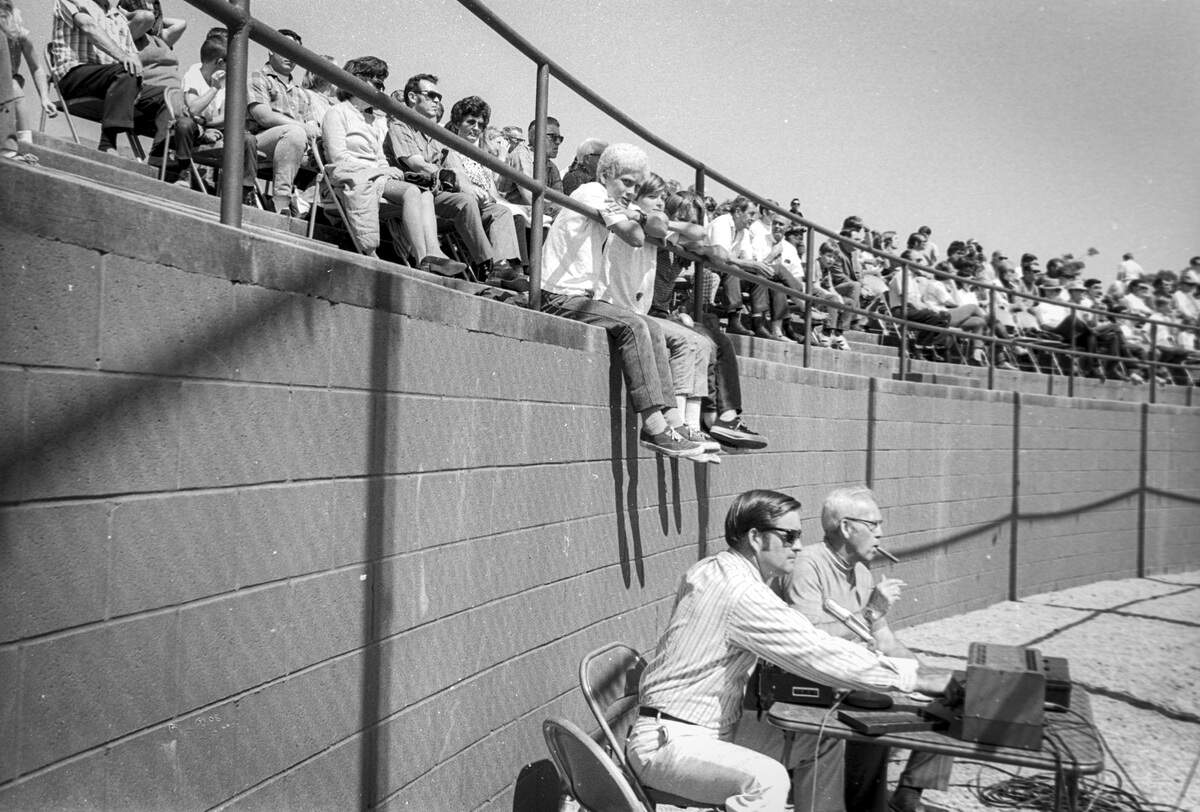
Over 400 fans turned out for the first game, and over 30 organizations who contributed to the construction were named in a ceremony before the game.
In addition to the Blues, youth baseball leagues, Cal Poly and San Luis Obispo High School have all called Sinsheimer Stadium home at various times over the last six decades.
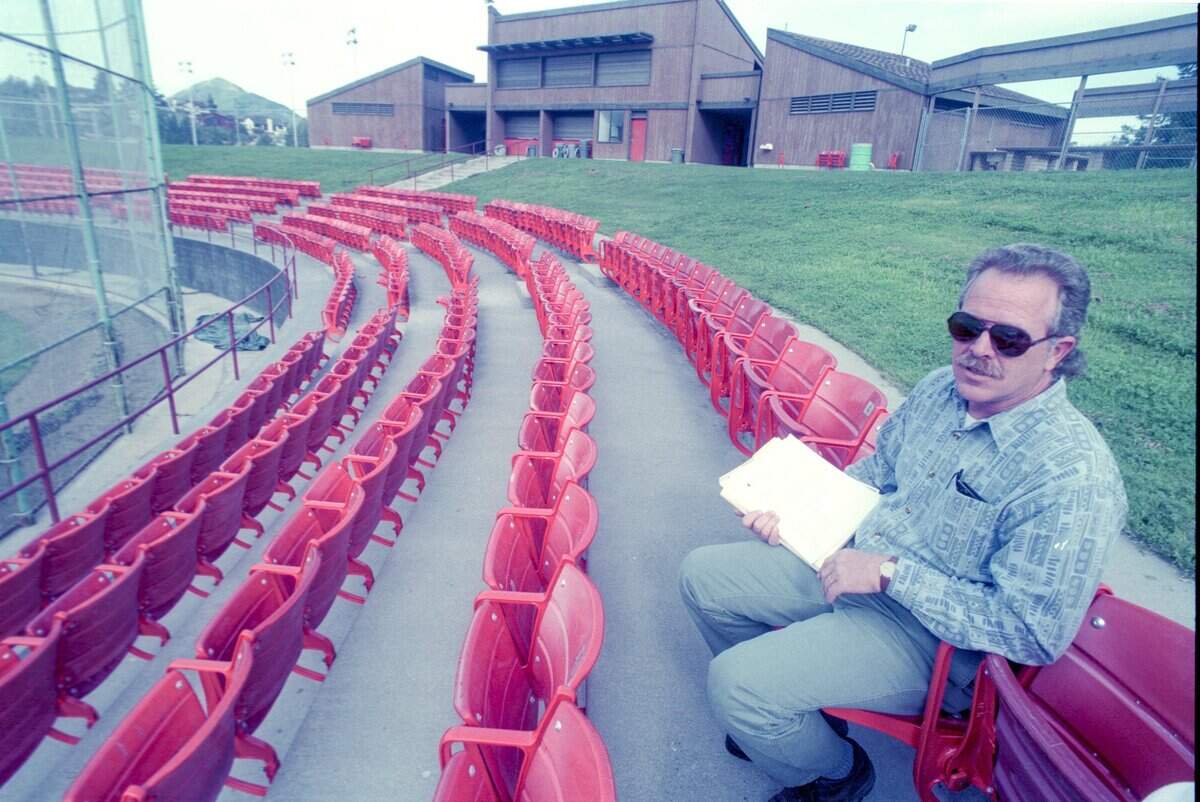
One of the biggest upgrades to the stadium was the installation of real major league seats.
Jamie Hurly wrote this story Jan. 29, 1998.
There’s a lotta baseball left in those seats
SAN LUIS OBISPO — You could be forgiven if the cry “Yer out!” awakens you from a reverie Friday night and you find it’s Cal Poly’s Mike Zirelli on the mound and not Chuck Finley of the California Angels.
After all, Anaheim Stadium’s field was the model for SLO Stadium. And you’re probably sitting in a seat that for the past 20 years held Angel fans.
As part of a $90,000 city project to upgrade the stadium, more than 800 seats from Anaheim Stadium have been installed at SLO Stadium.
The seats replace about 300 aluminum and plastic “half seat” chairs behind home plate.
“They’re better 20 years old than what we could have gotten new for the money,” city Parks and Recreation Director Paul LeSage said.
Other improvements this year will include landscaping, privacy screens along the fence and a new sound system. A new scoreboard will be made possible by a grant of about $25,000 from the Robert Janssen Foundation.
Next year calls for a new outfield fence at the stadium used by the San Luis Obispo Blues, Cal Poly, San Luis Obispo High School and the Babe Ruth League.
The new collection of bright orange chairs curve around the top of the diamond. The new chairs have folding seats, arm rests and higher backs that will make the seventh-inning stretch a little more pleasant.
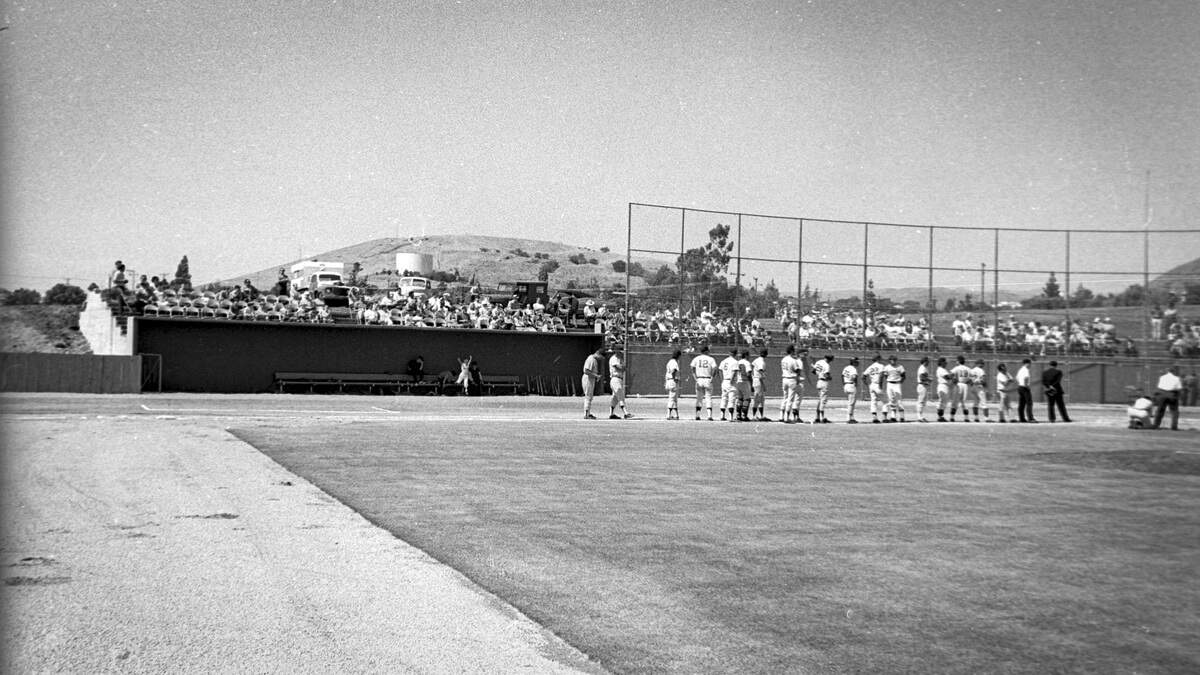
Most of the stadium’s cement risers were left empty when the half seats were installed about 20 years ago. The budget this year included money for new seats and the city had expected to install more half seats, although the manufacturer’s changes in colors over the years meant the new seats would not have matched.
Larry Tolson, who coordinated the project for the city’s maintenance division, credited Councilwoman Kathy Smith — a die-hard fan of the semi-pro Blues — and Blues General Manager Tim Golden for letting city officials know last September that Anaheim Stadium was selling old seats. The Blues also brought up a chair for the city to consider, he said.
The timing clicked with the city’s schedule — heavy use of the field means major maintenance must be sandwiched between the last game in October and the first game in January, Tolson said. American Seating of Grand Rapids, Mich., determined the seats would fit the stadium’s risers and replaced the metals parts before spending two rainy weeks installing them, Tolson said.
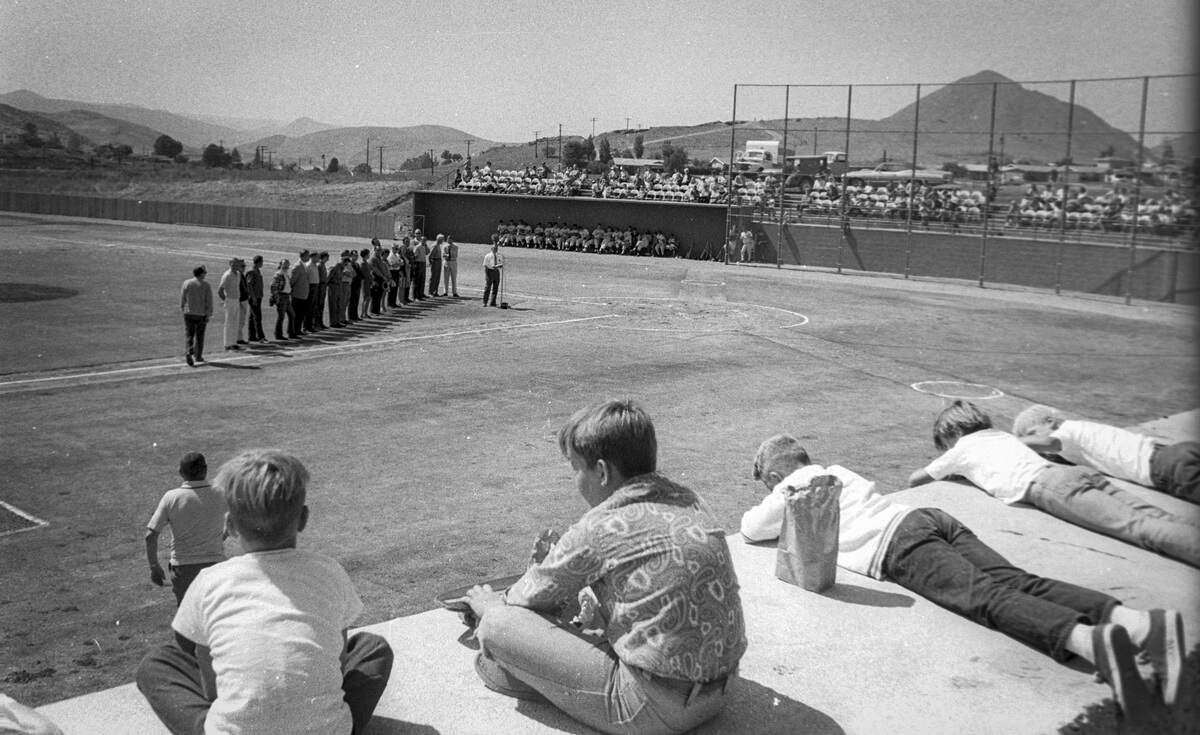
Because the seats are among 60,000 pulled from Anaheim Stadium and had to be configured to fit the sections of SLO Stadium, each row of chairs contains a weird sequence of numbers.
San Luis Obispo had a choice of orange or black chairs and chose orange, which serendipitously echoes the doors and panels of the concession stand above the field.
Baseball fans who like to picnic on the grassy slopes above the field won’t find any changes in that area.
Barring heavy rain, Cal Poly Mustangs and St. Mary’s University Gaels will take the field at 7 p.m. Friday in Poly’s first home game of the season.
This story was originally published February 7, 2026 at 5:00 AM.