Discovery of rare plant could be trouble for SLO County housing development
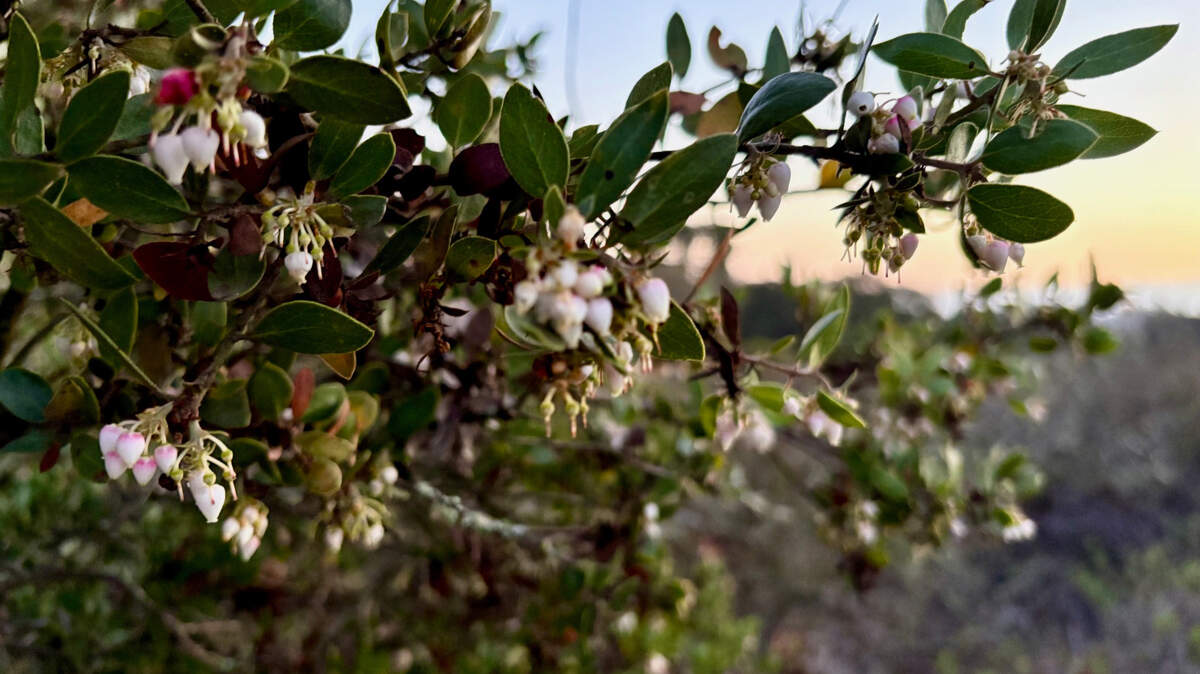
The discovery of a new species of the manzanita plant found only in San Luis Obispo County could challenge the controversial Dana Reserve housing project’s progress in court this year.
According to a news release from citizens group Nipomo Action Committee, the Northern Chumash Tribe and California Native Plant Society, a study on the newly discovered Arctostaphylos nipumu species of manzanita — also called Nipomo Mesa Manzanita by researchers — was published Jan. 16 in the academic journal PhytoKeys, identifying a rare species native only to the Nipomo Mesa.
Across just 70 total acres of habitat, around 700 individual Nipomo Mesa manzanita plants have been identified, with around 350 of those 700 plants located on the Dana Reserve development site west of Highway 101 in Nipomo, according to the release.
The discovery of a new manzanita species has been a point of contention in the Dana Reserve project’s approval as recently as the Local Agency Formation Commission meeting, where it was put forth by the Nipomo Action Committee and the California Native Plant Society as a reason the commission should have rejected the annexation of project land into the Nipomo Community Services Disrict’s water and wastewater service area.
California Native Plant Society biologist and plant geneticist Dr. Bill Waycott led the efforts to identify the new species, and has assisted the Nipomo Action Committee with drawing alternative site plans for the Dana Reserve that would shrink the project’s footprint to diminish impacts on the more than 3,000 native oaks and local plants that grow there now.
“Habitat loss along, with the added stress of a rapidly changing climate, is driving many species to extinction,” Waycott said in the release. “Protecting this species is not just about saving a plant — it’s about preserving the ecosystem, the plant community where it grows, and a cultural heritage associated with that plant community.”
What makes Nipomo Mesa manzanita unique?
Waycott said he first encountered the plant in 2021 while on a hike with his wife and started observing and propagating the species for study during the COVID-19 pandemic.
He then shared his findings with researchers at San Francisco State University and began cataloging its DNA and physical characteristics, Waycott told The Tribune.
To the untrained eye, it may be difficult to differentiate species of manzanita.
Waycott said the Nipomo Mesa manzanita bears a few distinct characteristics that set it apart from most manzanita species, featuring shedding bark instead of smooth skin, changes in leaf size and color and variations in the way the leaf stem attaches to the rest of the plant.
According to the Native Plant Society website, opinions on the number of manzanita species vary, from 40 to potentially hundreds depending on subspecies and cultivara.
“We believe that the center of diversity for the genus arctostaphylos, the genus of manzanita, is happening right here on the Central Coast — it’s right under our noses,” Waycott said. “We have new species occurring in real time, right now as we speak.”
The plant was named with collaboration from the yak tityu tityu yak tiłhini Northern Chumash Tribe, departing from the normal species naming tradition of naming it after an individual in exchange for the pre-colonial indigenous name for the area.

Will new species delay Dana Reserve?
At the time of LAFCO’s approval of the project’s environmental impact report and annexation into the Nipomo CSD’s service area, a peer-reviewed study on the new manzanita species had not yet been published.
“We were forced to file a second lawsuit against LAFCO and the county to protect our community and the environment because LAFCO ignored the significance of the discovery of this new species,” Naficy said in the release.
That lawsuit was filed in December, kicking off a second legal challenge to the project in addition to the Nipomo Action Committee’s California Environmental Quality Act-based lawsuit against San Luis Obispo County.
“We argued, and I believe that given the science behind this and given the limited number of species and the limited range, that we met the threshold that they should reopen this for further review,” Naficy told The Tribune. “If we’re right, and I think we are, then the type of avoidance and mitigation measures that would be warranted under these circumstances would be much stricter.”
Dana Reserve developer NKT Commercial took a different view of the discovery.
In an email to The Tribune, NKT Commercial spokesperson Jocelyn Brennan said the developer does not believe the discovery will have any impact on the project’s approval, as its environmental impact report already includes mitigation measures specifically for manzanita plants regardless of the specific species.
Brennan said the NAC did not share any information on Waycott’s study or its conclusion with NKT Commercial through the approval hearing and public comment process.
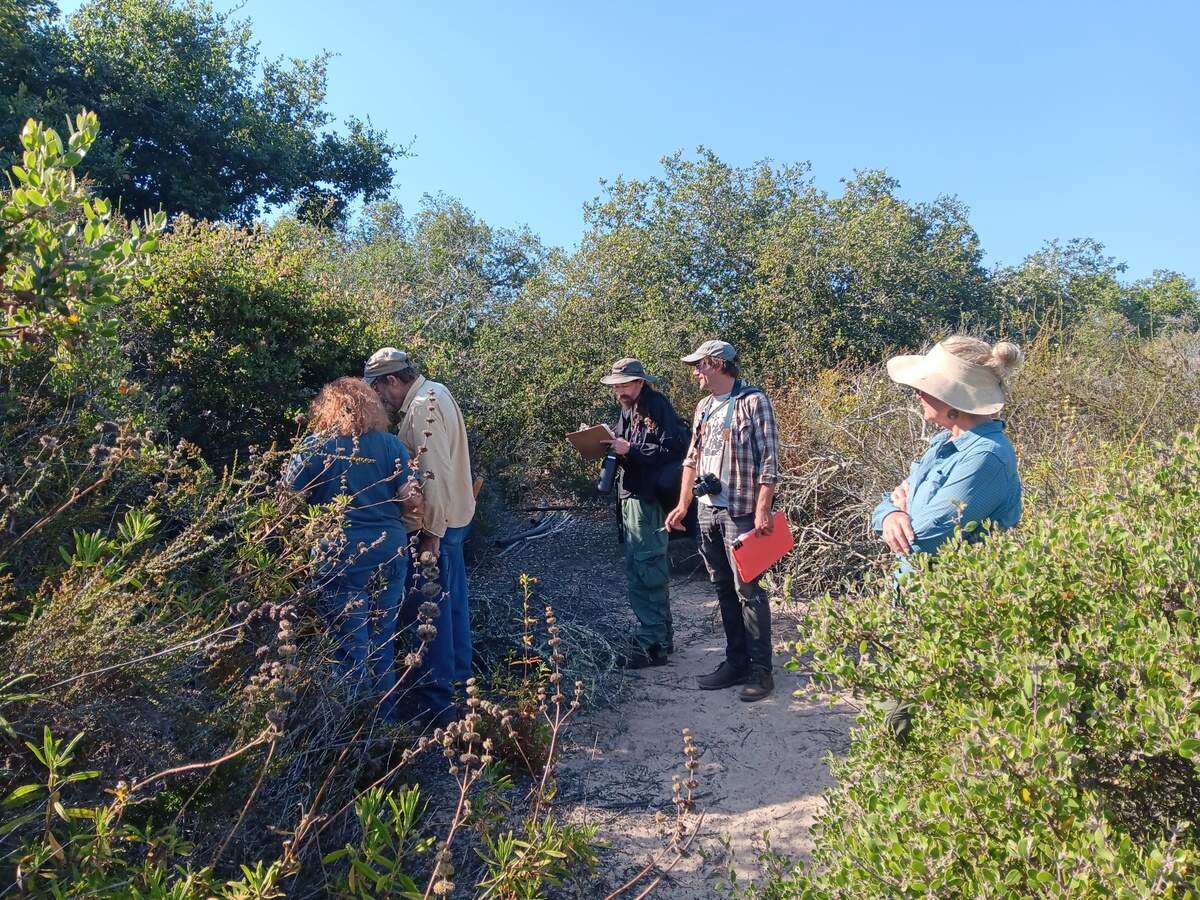
Citing a study by biological and environmental review firm Althouse and Meade Inc., Brennan said mitigation of loss of existing manzanita — Nipomo Mesa or otherwise — was already part of the developer’s plan.
At the project’s LAFCO hearing in November, project consultant Emily Creel said the new species is a re-classification of the manzanita species already identified in the final EIR, and said it’s more widely spread from southern San Luis Obispo County down to Lompoc. She added that the last-minute introduction of the new information cannot retroactively require a new EIR, as the bar for needing the EIR to be recirculated is “quite high.”
“As we noted previously, Dr. Waycott’s findings show that the new species is visually indistinguishable from other species of sand mesa manzanita and that you can only distinguish them through DNA sequencing,” Brennan said in an email. “Accordingly, all manzanita, regardless of their final identity, were identified as special-status species and were evaluated fully in the EIR.”
Brennan said NKT Commercial does not believe there is any merit to any claims made in either lawsuit.
This story was originally published January 29, 2025 at 10:42 AM with the headline "Discovery of rare plant could be trouble for SLO County housing development."