
How Honor Flight has changed the lives of Central Coast veterans and guardians
On the first Honor Flight trip he helped organize, Bear McGill noticed a World War II veteran standing stoically beside the Guam pillar at the National World War II Memorial in Washington, D.C., one of several markers honoring major Pacific and Atlantic campaigns of the war.
“I saw a grouchy old guy stand there a moment,” McGill recalled. “Then he laid his hand on it, bawling.”
McGill said the veteran, who had largely kept to himself, opened up afterward.
“I saw an immediate change in them,” McGill said.
Those experiences continue to drive Honor Flight Central Coast California.
McGill founded the nonprofit in 2014 after participating as a guardian on an earlier veteran flight organized by his firefighter son.
Since then, the organization has taken 824 Central Coast veteran honorees to the nation’s capital at no cost to participants, according to McGill.
Mission 25, the organization’s next trip, is scheduled for Sept. 15-17 and is expected to include approximately 70 to 75 veterans and a similar number of guardians.
Honor Flight recently expanded eligibility to include some Gulf War-era veterans following the dedication of the National Desert Storm and Desert Shield Memorial in Washington, D.C. World War II, Korean War and Vietnam-era veterans remain the organization’s top priority.
The nonprofit serves veterans from Santa Cruz and Monterey counties south through San Luis Obispo and Santa Barbara counties to Oxnard and Ventura.
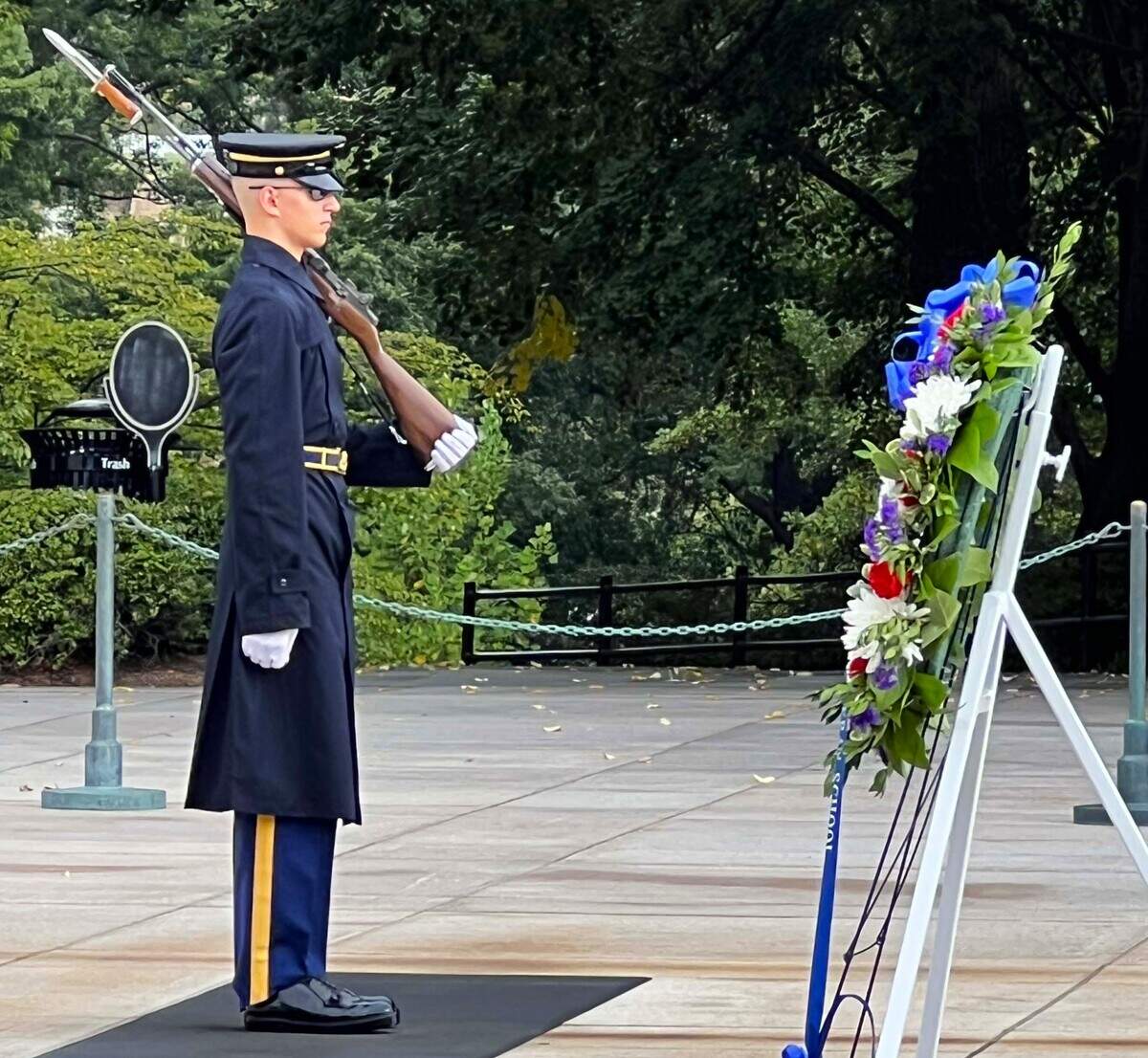
During the three-day trips, veterans visit sites including Arlington National Cemetery, the National World War II Memorial, the Vietnam Veterans Memorial, the Women in Military Service for America Memorial, the Marine Corps War Memorial, Fort McHenry and the U.S. Naval Academy in Annapolis, Maryland.
.jpg "Honor Flight day 3 (23).jpg")
Veterans’ experiences at the memorials
For many veterans, McGill said, the memorial visits become more than sightseeing.
“There’s the recognition for their service,” McGill said. “But as I’ve been doing these trips, I’ve discovered there’s a lot more that happens, especially with Vietnam vets. It allows them to be open about things they’ve never shared with anyone.”
McGill recalled family members hearing wartime stories for the first time.
“I’ve seen family members’ mouths drop,” he said.
He described veterans connecting with memorials in ways that seemed to unlock long-contained emotions.
.jpg "Honor Flight Day 2 (139).jpg")
“One Marine veteran saw 47 names he knew on the Vietnam memorial and made rubbings of all of them,” McGill said.
The organization’s work is sustained through volunteers, donations and community fundraising efforts across the Central Coast.
The connections formed through Honor Flight often continue long after veterans return home. Supporters and veterans regularly gather for informal craft beer “Pints for Flights” nights and monthly classic car shows hosted at The Pour House in Paso Robles through October.
Conversations about military service, shared experiences and memories often continue there outside the structured trips themselves. Belford said the gatherings help veterans maintain the same sense of fellowship many rediscover during the Washington visits.
Additional support comes through Sherman’s Legacy Flight events connected to the Estrella Warbirds Museum in Paso Robles, where remembrance flights and veteran gatherings continue to honor military service and D-Day commemorations.
How guardians help veterans on the trip
Marine combat veteran Mike Belford, a guardian and manager at The Pour House, said many local veterans already know one another through longtime friendships, veterans organizations and informal gathering places.
Those spaces, he said, help former service members continue building fellowship long after their military years have ended.
“We get lots of car guys,” Belford said of the fundraiser events. “Some are veterans, but they have fathers, uncles, friends who are veterans. People in this community are very generous.”
For Belford, serving as a guardian became meaningful in ways he did not initially expect.
“Being a guardian is an act of service,” Belford said.
Guardians help veterans navigate airports, carry luggage, keep schedules moving and provide support throughout the trip. But Belford said one responsibility matters most.
“Pick up their bags, get them a cup of coffee and, most of all, listen to them,” he said.
Belford said many veterans begin discussing experiences they had rarely spoken about openly, particularly among generations that returned home long before PTSD was widely recognized or treated.
“Back then, PTSD wasn’t a ‘thing,’” Belford said. “You came home, and you just had to suck it up.”
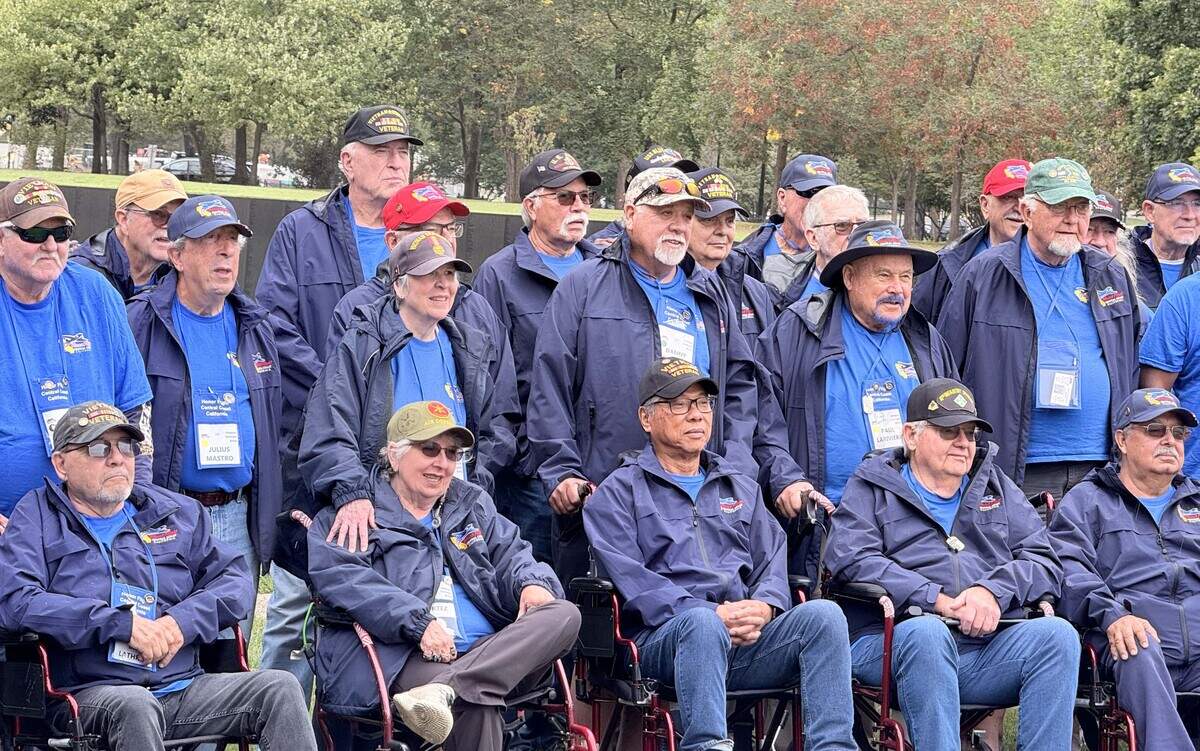
Today, he said, veterans have more opportunities to seek support through therapy, shared experiences and organizations like Honor Flight that reconnect them with fellow veterans and communities willing to listen.
Belford said one Vietnam veteran he accompanied cried for nearly five hours during a return flight home after opening up emotionally about experiences he had carried for decades.
“For him to feel safe enough in that environment to do that was very special,” Belford said.
Guardians, he said, help create a sense of emotional safety and permission for veterans to finally speak openly about difficult memories.
“You get a chance to bond with your veteran,” Belford said.
Honor Flight caps with a welcome home celebration
At departure, veterans are often sent off from Santa Maria Public Airport with cheers from volunteers, family members and supporters, along with a ceremonial water-cannon salute from local fire crews before their flight leaves for the East Coast.
When veterans return home through Santa Maria, they are often greeted by cheering crowds that include family members, fellow veterans, law enforcement officers, personnel from Vandenberg Space Force Base and other community supporters holding signs and welcoming them home.
Honor Flight organizations work with volunteers and local communities to help coordinate the homecomings, creating public welcomes many Vietnam-era veterans never experienced when they first returned from military service decades earlier.
Belford described the airport reception as “a ticker-tape parade on steroids.”
“To see people breaking bread together is just special, and we need it to happen,” Belford said.
.jpg "Honor Flight day 3 (20).jpg")
Passing history forward
The trips also create connections across generations.
Nathan Danner accompanied his grandfather, Dr. Sam Vigil, a Vietnam-era Navy Seabee officer, during one of the Honor Flight missions.
Watching veterans locate names etched into memorial walls transformed history into something deeply personal for him.
“It was very sobering,” Danner said.
He said the camaraderie among veterans stood out throughout the trip, along with the role guardians play in helping older veterans fully participate in the experience.
“It’s not really about whether you think you’re eligible,” Danner said. “It’s about making it possible for the person you want to honor.”
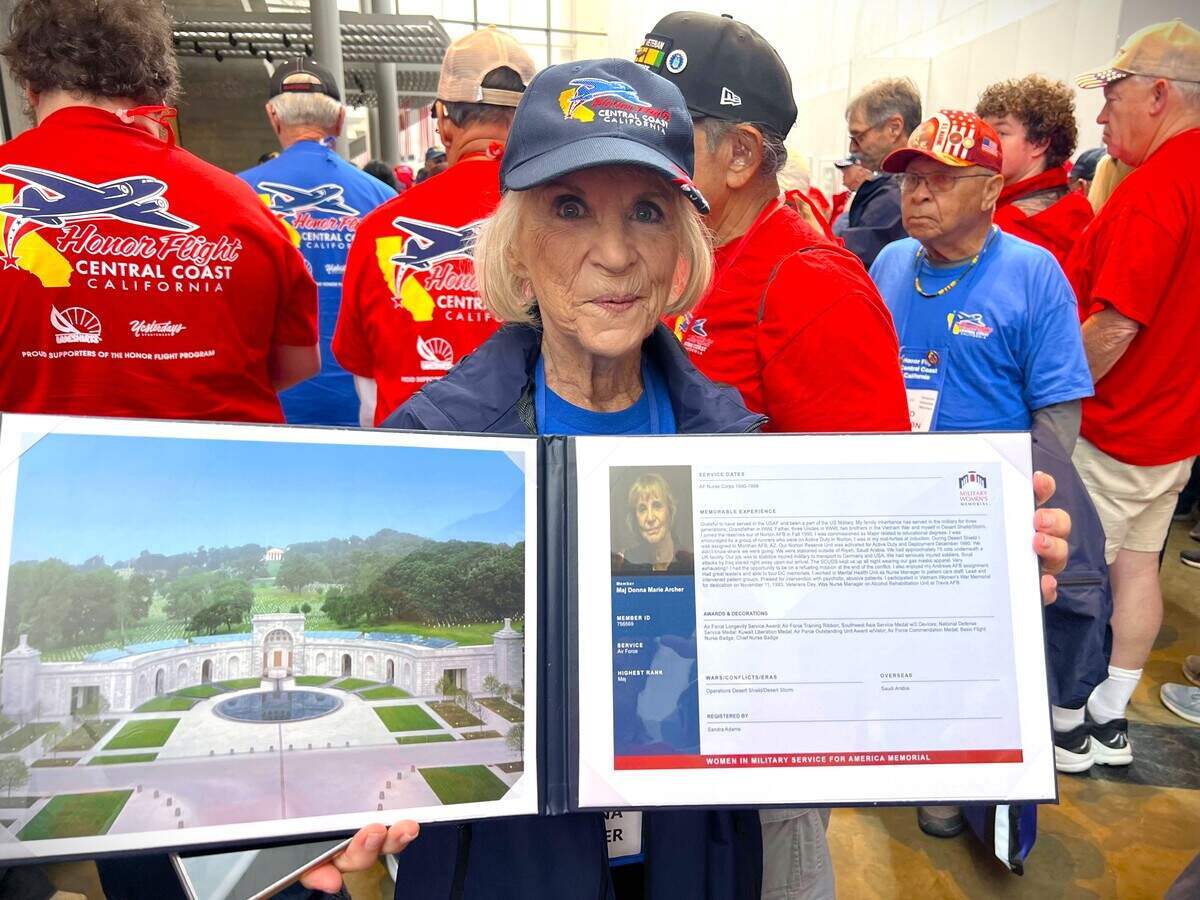
McGill said the organization intentionally includes veterans whose service may not always receive public attention.
“It takes 22 non-combat vets to support one combat veteran,” McGill said.
He said the comment reflects how military service depends on a wide range of support roles and that Honor Flight encourages veterans from many types of service backgrounds to participate.
.jpg "Honor Flight Day 2 (53).jpg")
Veterans find friendship after war
For some veterans, the impact of the trips continues long after the flights themselves have ended.
One of the strongest examples involved Vietnam veterans Bob “Joyride” Gosney and Esteban Valenzuela.
During the Tet Offensive, Gosney flew a rescue mission that helped save Valenzuela’s life while Valenzuela’s unit was under heavy fire.
Nearly 60 years later, the two men met during a 2023 Honor Flight trip when the name “Joyride” surfaced in conversation, prompting Valenzuela to recognize Gosney as the pilot connected to the wartime mission that rescued him.
The two later discovered they had lived less than five miles apart in Nipomo and even drove the same model of car.
Valenzuela said Gosney had carried years of self-doubt and guilt after hearing rumors he had not done enough during the wartime rescue mission.
Valenzuela disagreed.
“Brother, you saved so many of our lives out there, man,” Valenzuela recalled telling him.
“It was great to see him transform from being in a place of darkness to a sense of relief, appreciation and recognition,” Valenzuela said. “Bob and I started having weekly meetings together. We’d talk. It cultivated a true, deep and loving bond of friendship.”
Gosney died in September 2025.
For McGill, stories like that reflect the larger purpose behind Honor Flight.
The trips, he said, are about more than travel or memorial visits. They create spaces where veterans, families, guardians and communities come together through remembrance, recognition and shared experience.
“You do not have to be a veteran to serve veterans,” McGill said.
For more information about Honor Flight Central Coast California, including veteran and guardian applications, visit honorflightccc.org.