Measles found in wastewater in this California county. Who is most at risk?
The measles virus has been detected in the wastewater of a California county, adding a new warning sign as the state continues to see a rise in cases this year, according to public health officials.
The Merced County Department of Public Health said Friday, June 5, that measles virus material was found in routine wastewater surveillance samples collected in the county.
While no clinical measles cases have been confirmed in the county, Merced County health officials said, wastewater monitoring can serve as an early indicator.
It can detect viral particles shed in bodily waste before or even without confirmed diagnoses.
As of June 1, California had already reported 49 confirmed measles cases in 2026, according to the California Department of Public Health.
That total is nearly double the number of cases recorded in 2025 and roughly three times the count from 2024.
Who is most at risk for measles?
Here’s what California health officials said:
What is measles?
Measles is a “highly contagious” virus that is spread through the air when an infected person breathes, talks, coughs or sneezes, according to the Centers for Disease Control and Prevention.
“If one person has it, up to nine out of 10 people who come into close contact with that person will become infected if they are not protected,” the CDC said.
What are common symptoms of measles?
Measles symptoms can appear seven to 14 days after it is contracted.
According to the CDC, common measles symptoms include:
- Cough
- Runny nose
- Red, watery eyes
- Rash
- Fever more than 104 degrees
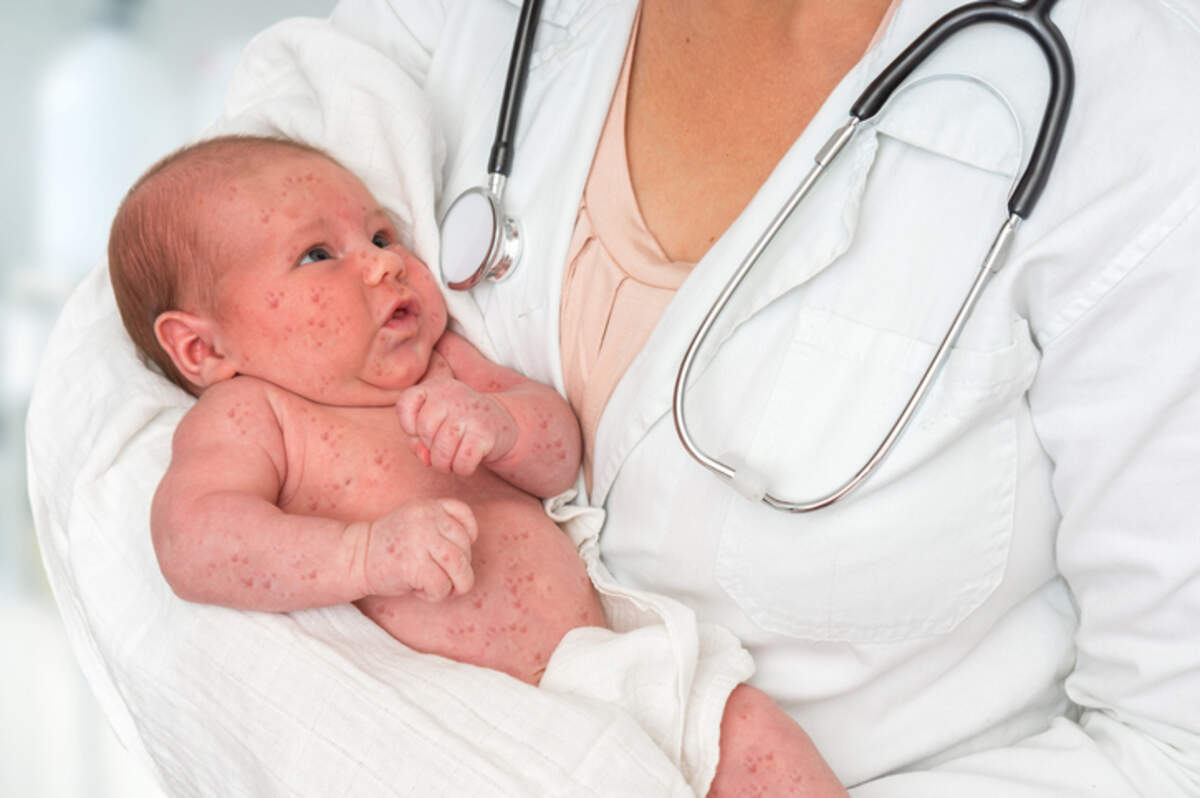
The measles rash typically begins on the face, often starting along the hairline and behind the ears, before spreading downward to the rest of the body, according to the California Department of Public Health.
People infected with measles can spread the virus from about four days before the rash appears to four days after it develops. Those who have been exposed are advised to watch for symptoms for up to 21 days.
“Some people think of measles as just a little rash and fever that clear up in a few days,” the CDC said. “But measles can cause serious health complications, especially in children younger than 5 years old.”
Common complications include ear infections and diarrhea.
More serious outcomes can include pneumonia, encephalitis — or swelling of the brain — and, in rare cases, death, according to the CDC.
Who is most at risk for measles?
“Anyone who is not protected against measles is at risk,” the CDC said.
Although measles was declared eliminated in the United States in 2000, cases have increased in recent years, with several large outbreaks reported since 2025.
“Measles is also still common in many parts of the world,” the CDC said. “Every year, measles infections occur in the United States because unvaccinated travelers get measles while they are in other countries and then travel to the United States.”
While anyone who lacks immunity can become infected, some groups face a higher risk of severe complications.
Those groups include:
- Children under age 5
- Adults older than age 20
- Pregnant people
- People with weak immune systems
“Unvaccinated people are at high risk,” the California Department of Public Health said. “Roughly 90% of those unvaccinated and exposed to measles will contract the disease. ”
How do I protect myself from measles infection?
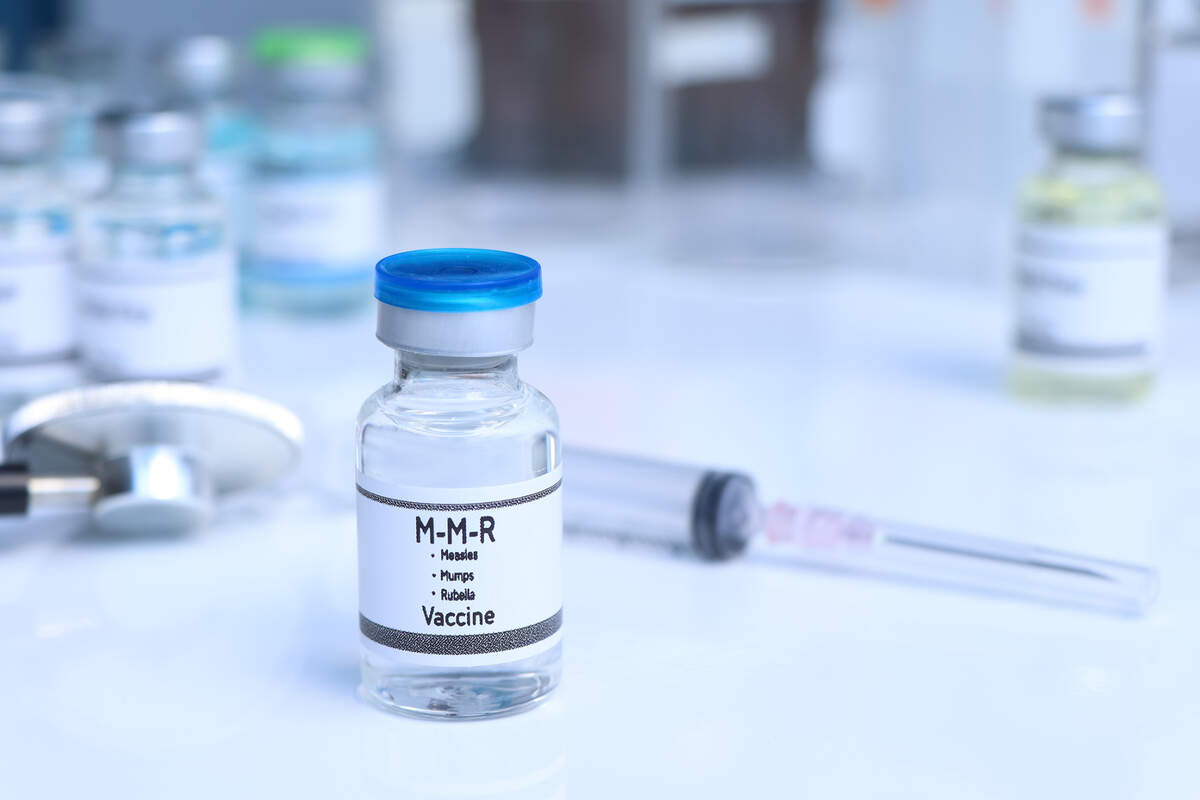
The MMR vaccine is the best protection against measles and its complications, according to the California Department of Public Health.
The MMR vaccine protects against measles, mumps and rubella.
According to the state health department, children should receive their first dose at 12 months of age, and a second dose between age 4 or 6.
Older children and youth under 19 should receive two doses if there is no documented history of vaccination.
Adults 19 and older should stay up-to-date with one or two doses, depending on risk factors, such as underlying health issues, and vaccination history.
This story was originally published June 9, 2026 at 9:00 AM with the headline "Measles found in wastewater in this California county. Who is most at risk?."