How a deported California mother overcame the Trump administration in 40 days
As immigration officers arrested her six weeks ago, through tears and a rushed goodbye, Maria de Jesus Estrada Juarez had a request for her daughter.
“Call Nick.”
Neeraj Paul, who goes by Nick, had known her for nearly 20 years. He first hired Estrada Juarez, 42, as a cashier for his Sacramento gas station. She later became his regional motel manager, earning Paul’s trust with her work ethic and sincerity.
Over time, their relationship grew. She babysat his children and attended family parties. Paul and Estrada Juarez now consider each other family.
So, when the call came on Feb. 18 that immigration officers had detained her at a routine green card appointment and would deport her, Paul set out to help. He called the office of a Sacramento city councilmember, who soon spread the word to the media.
What followed was a 40-day, nationwide effort to fight back against President Donald Trump’s anti-immigrant agenda. Estrada Juarez drew national headlines, won a federal lawsuit against the government and ultimately reunited with her daughter at the San Ysidro Port of Entry — the busy pedestrian border crossing between Tijuana, Mexico and San Diego.
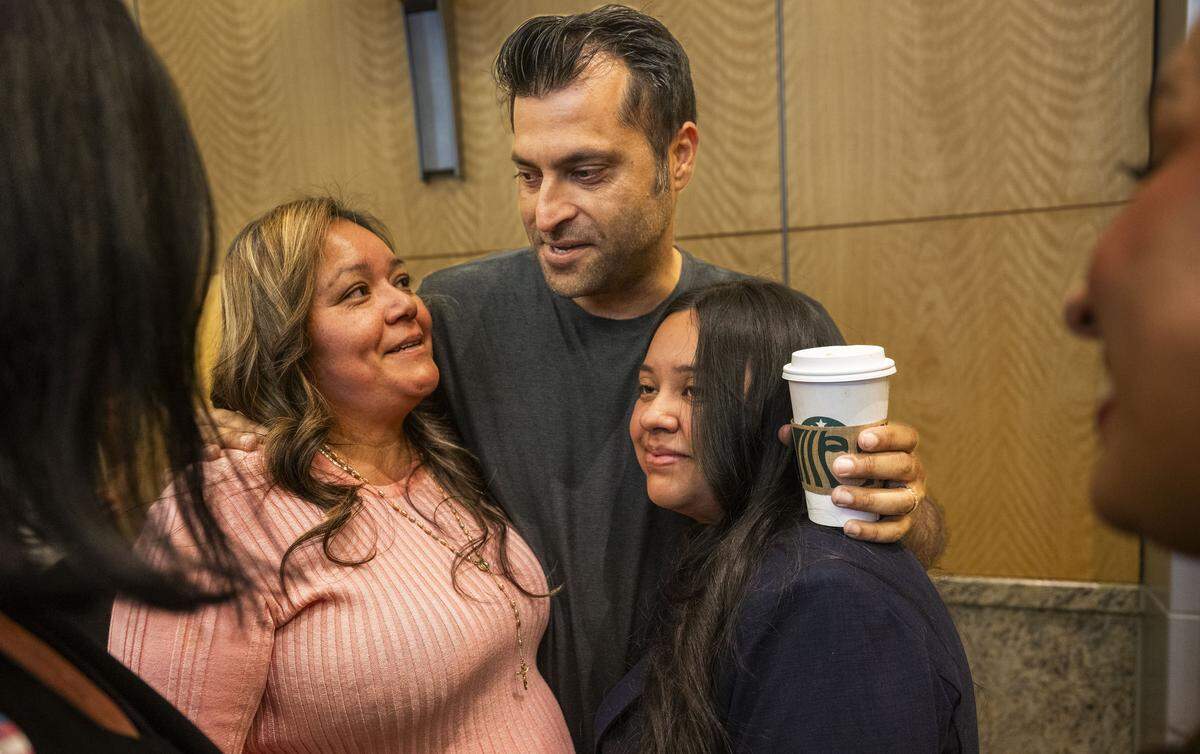
Now back in Sacramento, her case is a rare exception under an administration that has arrested, detained and deported immigrants at rates not seen in years. Estrada Juarez is a free woman and among the very few people who have returned to the country after a deportation during Trump’s second term.
“None of us thought she’d be back this fast,” Paul said. “We were hopeful, and 40 days later, she’s back home. It’s one of those rare situations where you see the system working fast.”
The return stems from a convergence of factors: Estrada Juarez had protections under Deferred Actions of Childhood Arrivals, a President Barack Obama-era program that shielded recipients from deportation if they arrived in the U.S. as children and had no criminal record; and public attention to her case drew the interest of immigration advocates and lawmakers, leading her to connect with an experienced lawyer who saw her case through federal court.
Then came a decisive ruling which ordered the government to return Estrada Juarez in seven days. Those closest to the case point to the role of her U.S. citizen daughter Damaris Bello, who remained a constant and outspoken voice behind the effort.
“We fought every single day,” Bello, 22, said Tuesday. “We fought to bring her home. We leaned on our community…on everyone who stood with us and believed that what happened to my mom was wrong.”
In a statement Tuesday morning, DHS said U.S. Immigration and Customs Enforcement “follows all court orders.” The agency then repeated past claims on her case including that “DACA does not confer any form of legal status.”
‘Unconstitutional and un-American’
In the wake of her abrupt arrest, the story of Estrada Juarez’s deportation spread quickly.
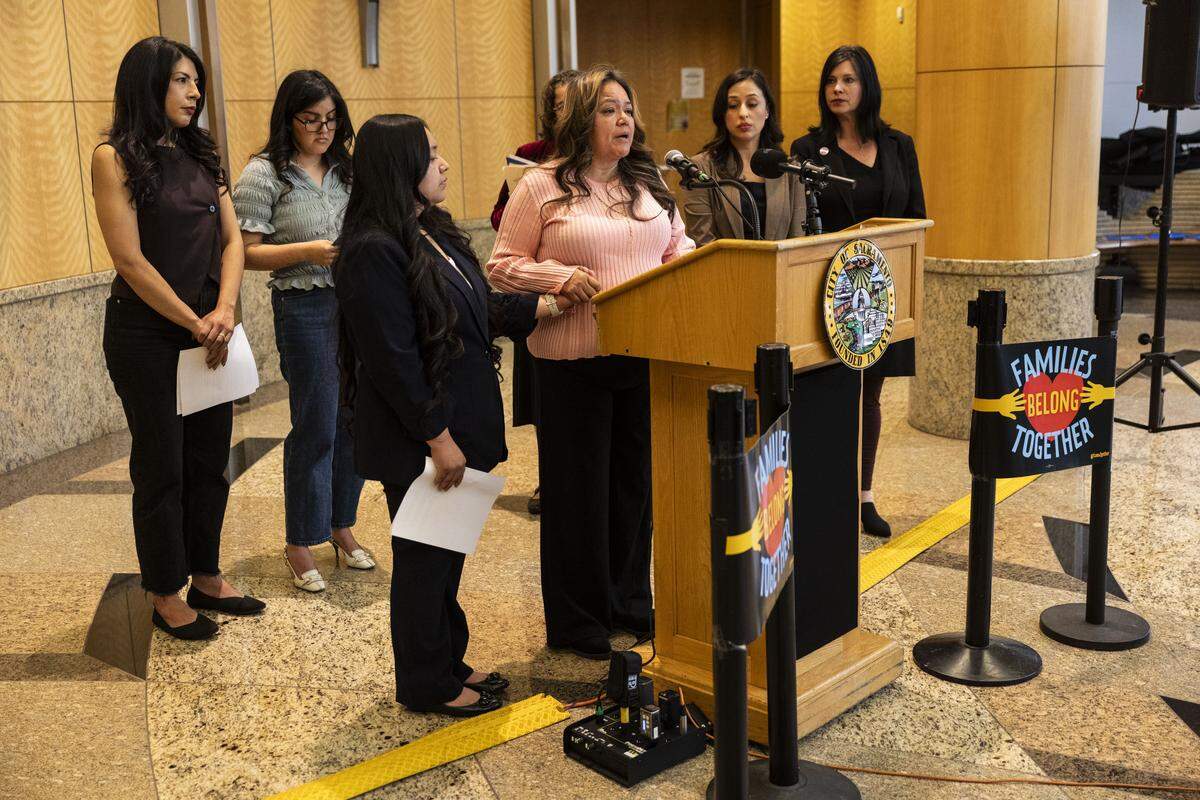
One day after it was first reported by The Sacramento Bee, state and local officials gathered in downtown Sacramento to demand her return.
Among them was Councilmember Karina Talamantes, whose office Paul had called after hearing from Bello. Talamantes had met Estrada Juarez just months earlier, at a holiday toy drive for formerly homeless families.
She expressed disgust that Estrada Juarez was deported in less than 24 hours and after voluntarily showing up to her green card appointment carrying a binder full of documents showing her legal status.
“What is happening to Maria and others across America is unconstitutional and un-American,” Talamantes said on Feb. 25.
That same day, a Department of Homeland Security letter sent to Congress became public. In it, the agency acknowledged ICE had arrested 261 DACA beneficiaries and deported 86 of them between Jan. 1 and Nov. 19, 2025. Of the people detained, DHS claimed 241 had “criminal histories” though it did not detail the allegations or if the individuals had been convicted.
DACA recipients, known as Dreamers, were largely spared from immigration enforcement for years. Obama launched the program in 2012, citing a need to help young people who grew up in the U.S., spoke fluent English and were Americans “in every single way” but on paper. To qualify for the legal permission to remain in the country, these immigrants must pass background checks and renew their application every two years.
The DHS figures released in February were the first official statistics on how Dreamers had been affected during Trump’s second term — and they were significantly higher than the unofficial numbers collected by immigrant advocacy organizations. Until then, only one deportation and return of a DACA recipient had been publicly documented.
Estrada Juarez soon became the face of enforcement against Dreamers.
Sen. Dick Durbin, D-Ill., cited her case while questioning former DHS Secretary Kristi Noem at a U.S. Senate Judiciary Committee hearing in early March. Noem, who was removed from her position two days later, promised to look into Estrada Juarez’s case.
That same week, California Sen. Alex Padilla and Durbin held a press conference to highlight the removal – one of several held about the case over a few weeks.
Bello, in particular, spoke out consistently during her mom’s time away. She traveled to Washington D.C. twice to meet with federal lawmakers and was in the audience at the hearing when Durbin pressed Noem.
An adult family member who is a U.S. citizen can help bring immediate attention to a case involving someone without permanent legal status, said Kevin Johnson, an immigration law professor at UC Davis. In many cases, people deported leave behind family members who may be too young or scared to speak because of their own undocumented status.
“She helped to get it in the newspapers and helped get political leaders paying attention to it,” Johnson said.
‘Wasn’t any normal case’
Estrada Juarez was considering several lawyers when FWD.us, an immigrant advocacy organization specializing in helping DACA recipients, reached out.
Maria Praeli, the group’s deputy director of government relations and coalition, recommended Estrada Juarez set up a consultation with Stacy Tolchin, an immigration lawyer based in Southern California. Tolchin had previously worked with FWD.us and specialized in deportation cases.
Though there have been thousands of legal actions filed on behalf of immigrants in detention facilities over the last year, federal lawsuits filed after someone has been deported are much less common.
The government does not publish data on how often federal courts order returns — and how often DHS complies. Immigration experts have called the facilitation of such orders, under any presidential administration, rare.
“This wasn’t any normal case,” Praeli said. “This was someone who was already out of the country because they had been deported. So, ideally, it was an attorney who had some level of experience with that.”
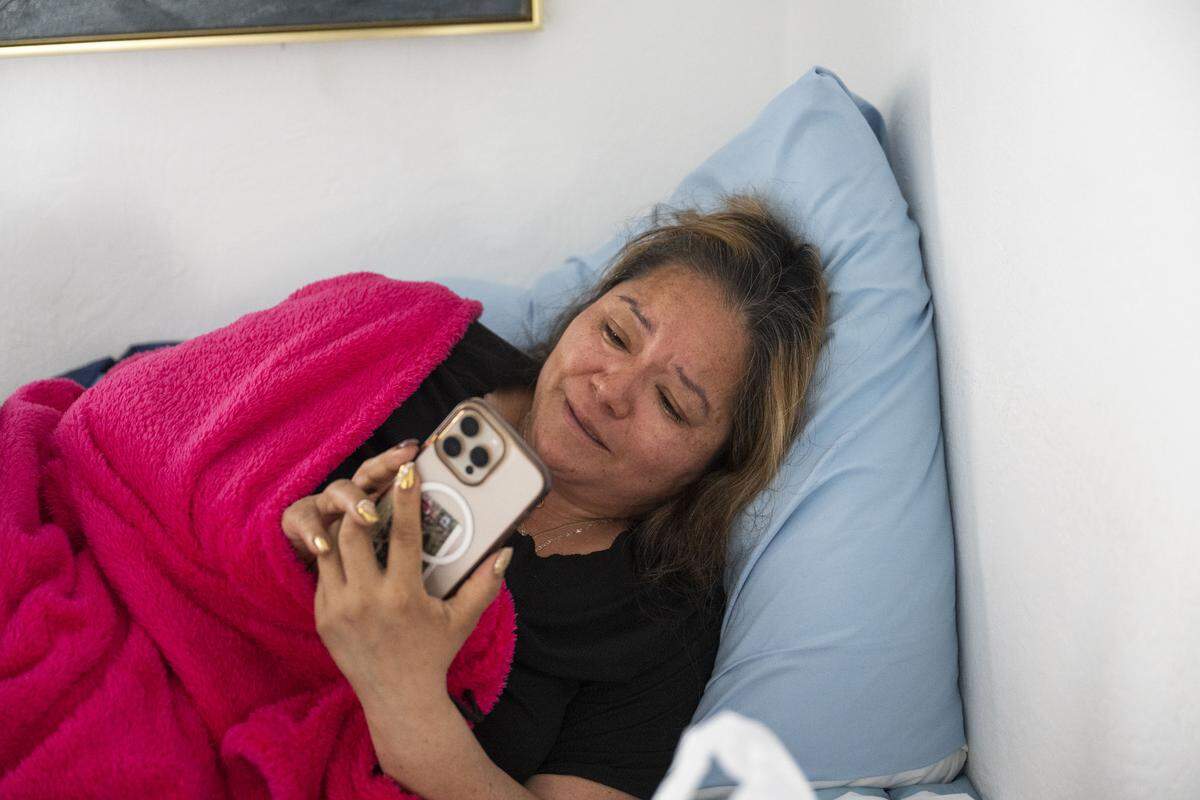
Tolchin met with Estrada Juarez over a video call on Feb. 25. Estrada Juarez recounted her 27 years in California and the speed of her deportation.
For Tolchin, who has worked on roughly 10 cases that brought people back after a deportation over 25 years, this situation was startling. She said Estrada Juarez’s active DACA status should have prevented any deportation, particularly one that occurred so rapidly.
The status is an exercise of prosecutorial discretion “to not pursue the removal of an individual,” according to federal regulations. DHS is also required to follow a process for terminating DACA.
“They didn’t even try to terminate it,” Tolchin said. “Nothing. They just didn’t care.”
Tolchin said she soon learned that ICE’s reasoning for the deportation was flawed as well. The agency had cited an expedited removal order on Estrada Juarez’s record from when she entered the country at 15 in 1998.
That order was never finalized, Tolchin said, because it lacked a supervisor’s signature. Unaccompanied minors are also generally not subject to expedited removal.
With those reasons in mind, Tolchin filed a federal lawsuit against DHS on March 10 seeking Estrada Juarez’s return.
U.S. Eastern District Court Judge Dena Coggins ruled two weeks later that the deportation was a “flagrant violation” of Estrada Juarez’s constitutional due process rights and protections under DACA, and gave DHS a week to facilitate a return back to the country.
In response, DHS called the order another “yet another ruling from a Biden-appointed activist judge.” Coggins, who was appointed by former President Joe Biden in 2024, previously served on Sacramento County Superior Court.
Several immigration law professors called the ruling a rare but fair outcome from a federal court under the current administration. Johnson said the U.S. Eastern District of California, which spans from the Oregon border to Bakersfield and includes Sacramento, has generally been viewed as conservative in California but is “middle of the road” compared to the national political scene.
Coggins did not respond to a request for comment.
“Any lawyer will tell you the judge who’s deciding a case matters, and there are different judges in different districts all over the country, appointed by different presidents with different political views,” Johnson said. “She obviously got a judge who was willing to listen to the merits of her argument.
‘Care about the populations that we fight for‘
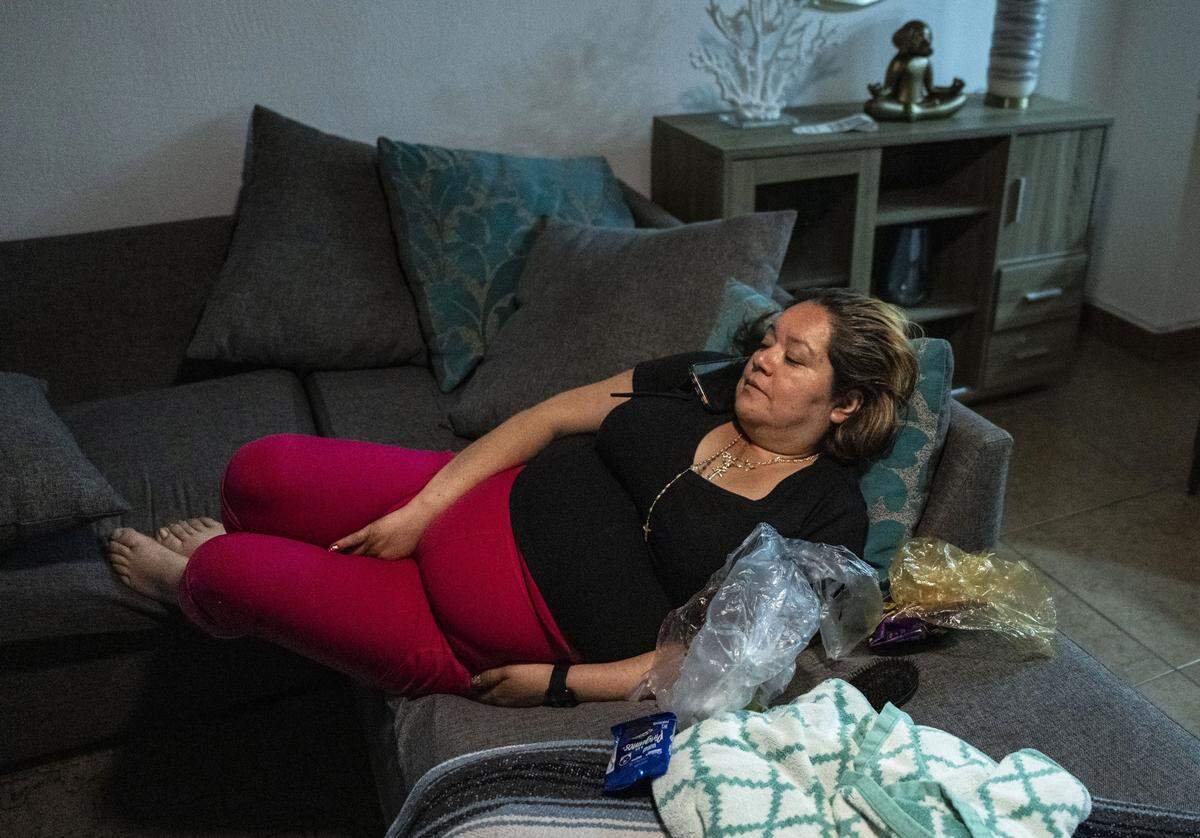
After spending weeks in Puebla, Mexico, where she was born, Estrada Juarez landed in Tijuana on the afternoon of March 29. She was joined by Ivonne Rodriguez, a native of Honduras and press director for FWD.us.
The pair had grown close, with Rodriguez becoming more akin to a relative in the weeks leading up to the return. She coordinated travel and arranged Estrada Juarez’s meals. Other times, Rodriguez encouraged her to sleep or scolded the Sacramento mother when stress led to too many cigarettes.
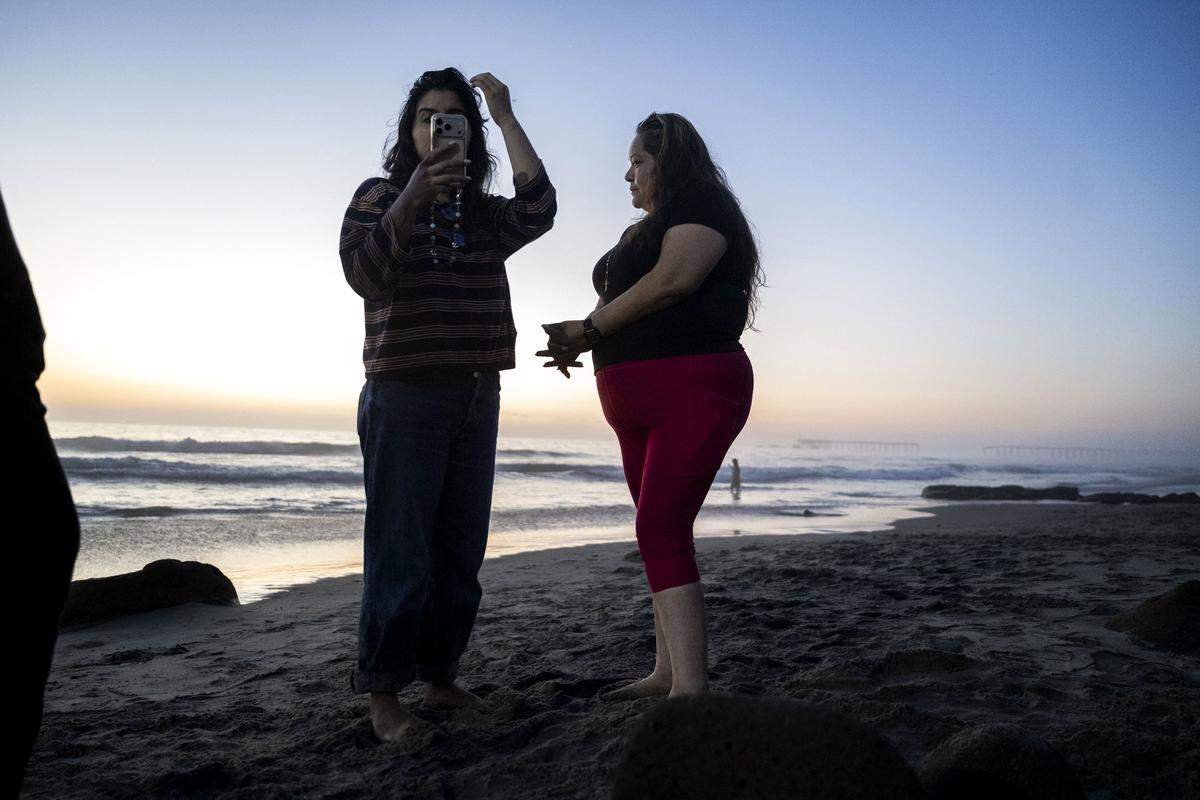
As night fell the day before Estrada Juarez’s expected return, they waited in Rosarito, a coastal town just south of the border, for word from U.S. officials. Over the last week, government responses had been sporadic, but seemed to signal that the return was a matter of when — not if.
Still, even that night, Estrada Juarez’s return date was unknown.
On a video call from the beach, Tolchin told them that the chances of crossing the next day were a “0.01% chance.” A return Tuesday or Wednesday was more likely.
“They haven’t said anything yet,” Tolchin said on the call. “How is it going to happen tomorrow?”
Rodriguez quickly reassured Estrada Juarez they would know more in the morning. At 10:21 a.m., Estrada Juarez received approval to reenter the United States on humanitarian parole.
That afternoon, before stepping into the border crossing line, the two held hands and prayed. Rodriguez, 31, later said she hasn’t attended church in more than a decade.
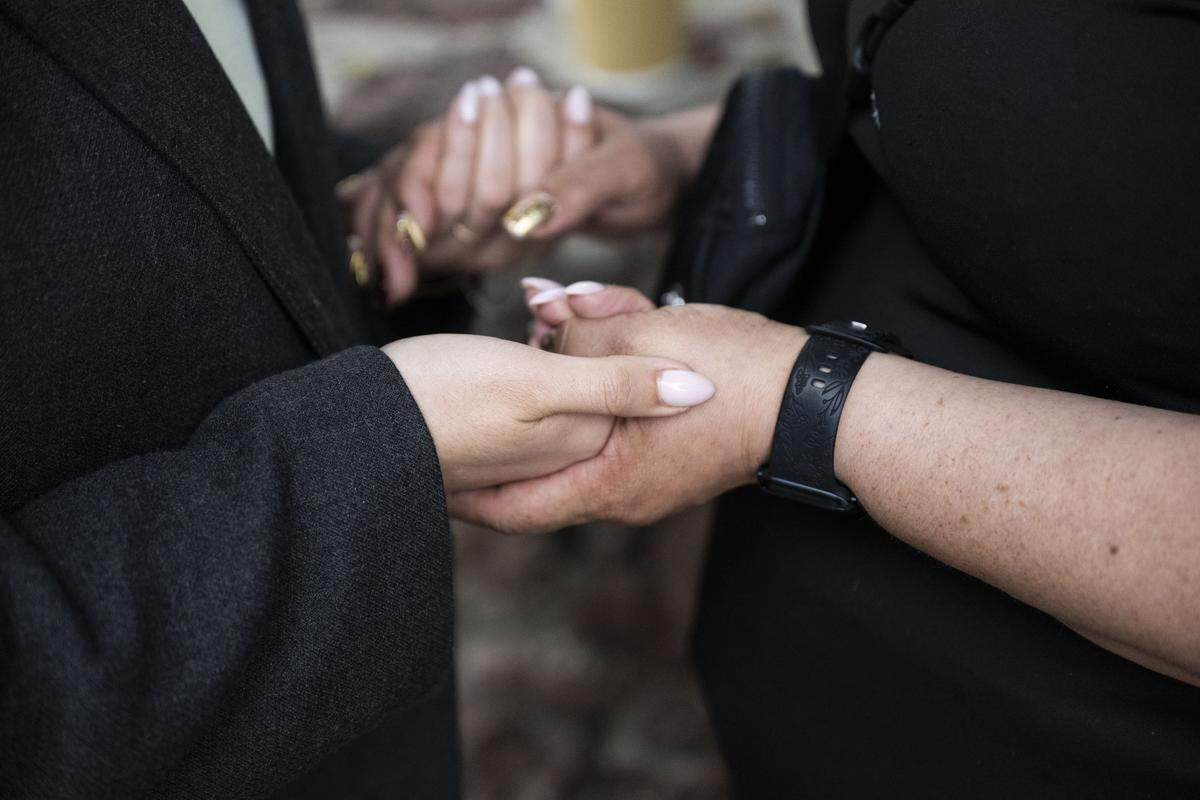
“We really care about the populations that we fight for, people trust us and we just want to ensure that they feel as safe as possible given the conditions,” Praeli said.
Around 3 p.m, as they stood in line at the San Ysidro Port of Entry, immigration officials told Rodriguez she could not accompany Estrada Juarez any further. She walked out crying and joined Bello and Praeli, who arrived to San Diego earlier that day.
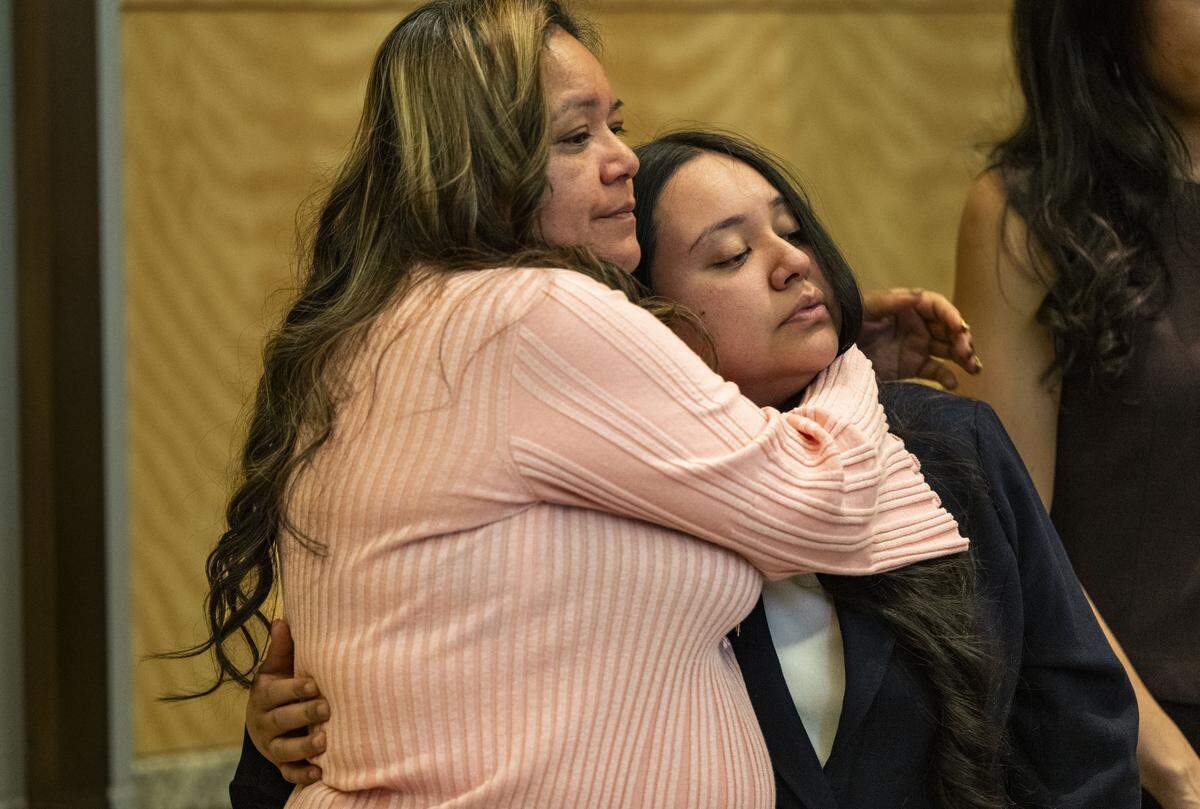
Together, they anxiously waited for nearly five hours on the U.S. side. Their only source of comfort was an occasional text from Estrada Juarez. She walked out at 7:25 p.m. and, in tears, hugged the three women one by one. Paul and Tolchin welcomed her back in Sacramento the next day.
Before Estrada Juarez embraced Rodriguez, they shared a smile.
“No le dije?” Rodriguez said, as they held each other.
“Didn’t I tell you?”
This story was originally published April 6, 2026 at 5:00 AM with the headline "How a deported California mother overcame the Trump administration in 40 days."