
Star athletes are putting mental health first. Here’s how to help players deal with stress
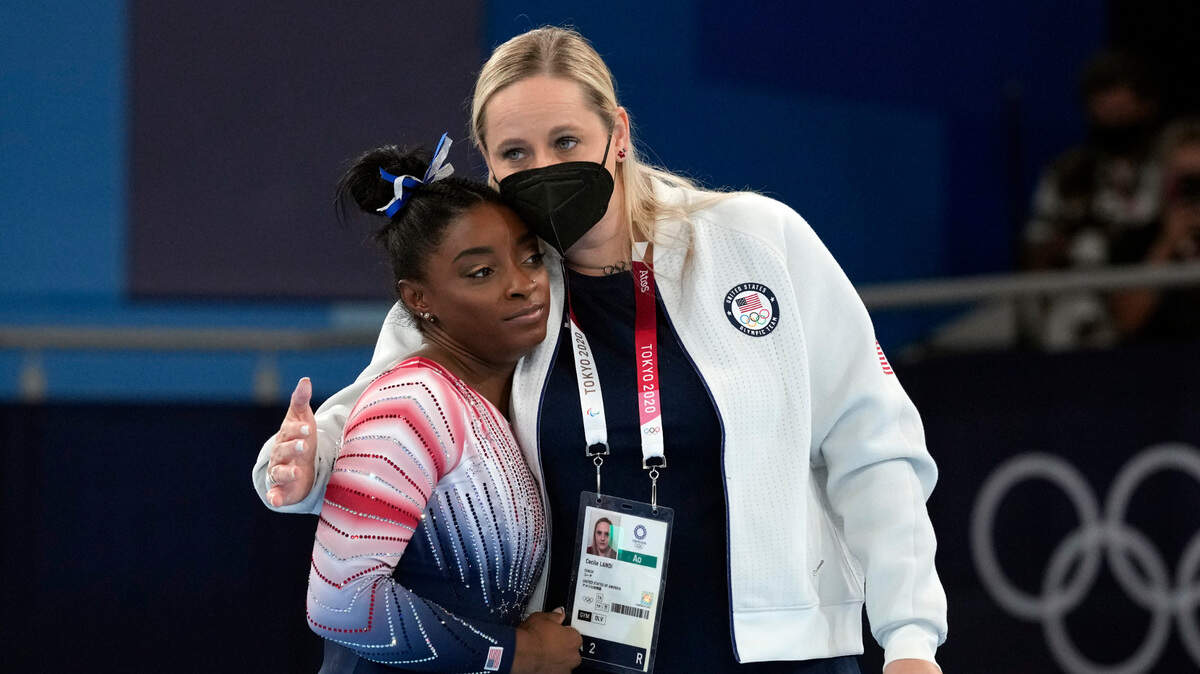
The debate over the mental health of world-class athletes is playing out on center court.
First, tennis player Naomi Osaka withdrew from this year’s French Open and Wimbledon, citing the need to tend to her mental health.
Next, Olympic medalist Simone Biles struggled with the “twisties,” a disorienting mental block that puts gymnasts at serious risk while performing gravity-defying feats.
Then swimming star Michael Phelps joined the conversation, opening up about his own battles with depression, anxiety and suicidal thoughts.
This awareness of the mental health struggles of athletes is long overdue.
We view sports stars as superheroes incarnate, capable of physical feats we mortals merely dream of.
So we’re astonished, even disbelieving, when we learn that they get sad and stressed out like the rest of us.
We may even feel angry about their humanity. After all, they have everything we ever wanted, right?
They’re famous, gorgeous and talented. They’re rolling in dough through endorsements and prize money. They sell us cereal, watches, medications and trips to theme parks.
To make matters worse, many of those athletes have been seemingly coddled since they were kids.
Once it was apparent that they could swim fast, throw hard, jump high or kick far, they were groomed to be the best in their sport.
Parents drove them to practices and meets. Coaches went the extra mile to help them succeed. They seemed to hold the world in their talented little mitts.
So how can those sports icons be depressed? What can they possibly be lacking in their oh-so-privileged existence?
The answer is as complicated and varied as the athletes themselves. But as a top-level junior and collegiate tennis player turned family therapist, I may be able to offer some insight.
First, consider the athletes’ age. Many are very, very young.
Yes, their bodies are physically able to perform at peak levels. But their emotions are undeveloped and incapable of processing complicated emotional tasks such as losing, invasive media and extended pressure.
Top athletes’ singularly focused lives may lack the diversity of interests and acquaintances that offer psychological stability, distraction and relaxation.
In addition, many are perfectionists who are chronically dissatisfied with their last performance and endlessly trying to improve.
The more athletes succeed, the higher expectations grow.
Top athletes aren’t merely competing for themselves. They’re playing for their coaches, teammates, families, communities and sponsors. The greater the stakes, the more burdens they bear.
And sports players don’t just cope with the need to succeed.
Some athletes are physically, mentally or sexually abused by their coaches and trainers. In 2020, Biles told Vogue magazine that she became “very depressed” in 2016 after suffering abuse at the hands of former team doctor Larry Nassar.”
Finally, athletes are human beings and possess the same psychiatric illnesses as the general population.
They may be physically gifted, but they are not immune to mental disorders or substance abuse.
For parents, coaches, teammates and friends of athletes, consider these steps to promote competitors’ mental well-being:
Watch for signs of undue stress. Agitation, reluctance to practice, loss of enjoyment, sleep disturbances and isolation can indicate an underlying psychological problem.
Be a good listener. Honestly hear what athletes are saying. Avoid diminishing their feelings with a casual “Brush it off!” or “Be tough!”
Advise seeking help. If concerning symptoms persist for several weeks or interfere with athletes’ quality of life, encourage them to find a qualified therapist.
Never ignore serious signals. If athletes are using drugs, drinking excessive amounts of alcohol or having suicidal thoughts, get them into immediate treatment.
This story was originally published August 16, 2021 at 5:05 AM.